Electronics & PCBA
SMT programming, in-circuit and functional test, and ESD-safe assembly for timers, clocks, Bluetooth audio, smart glasses, and thermo-hygrometer electronics.
Get PCBA Specs
OEM Service Overview
YGhao runs end-to-end OEM for alarm clocks, timers, night-light Bluetooth speakers, smart glasses, temperature & humidity meters, and consumer 3C. DFM-led gated samples, scalable Shenzhen assembly, and disciplined document control keep your BOM and test criteria aligned for North America, Europe, Japan, Korea, and Asia-Pacific retail programs.
Service modules
Our OEM manufacturing base in Shenzhen, Guangdong connects your brand to disciplined factory execution and predictable logistics. Whether you sell into the United States, Europe, or regional Asia-Pacific markets, we structure bills of materials, lead times, and shipment terms so procurement can track one consolidated manufacturing process instead of fragmented vendors.
This section summarizes how we position your OEM program geographically and commercially. Request a routing guide or incoterm matrix during quotation for your destination country.
A single, readable workflow keeps brand, factory, and logistics aligned. Larger programs may add pilot runs or regional SKUs, but the core OEM manufacturing process stays consistent.
Share drawings, reference samples, target certifications, and volume forecasts. We clarify open points on firmware, UI, power, and packaging so the quotation reflects manufacturable OEM specifications.
You receive a milestone plan with sample cost, tooling (if any), unit economics at volume tiers, and test scope. Manufacturing process assumptions and supply chain risks are highlighted before commitment.
Engineering samples or pilot lots prove assembly, calibration, and labeling. Golden units lock what mass production must repeat, including packaging drop tests where your channel requires them.
SOPs, fixtures, and inline checks scale with volume. AQL sampling, safety tests, and traveler documentation support audits and retailer quality teams reviewing your OEM program.
Retail cartons, master cartons, and markings are finalized; bookings align to your incoterm. Commercial invoice, packing list, and compliance paperwork move with the cargo to destination ports.
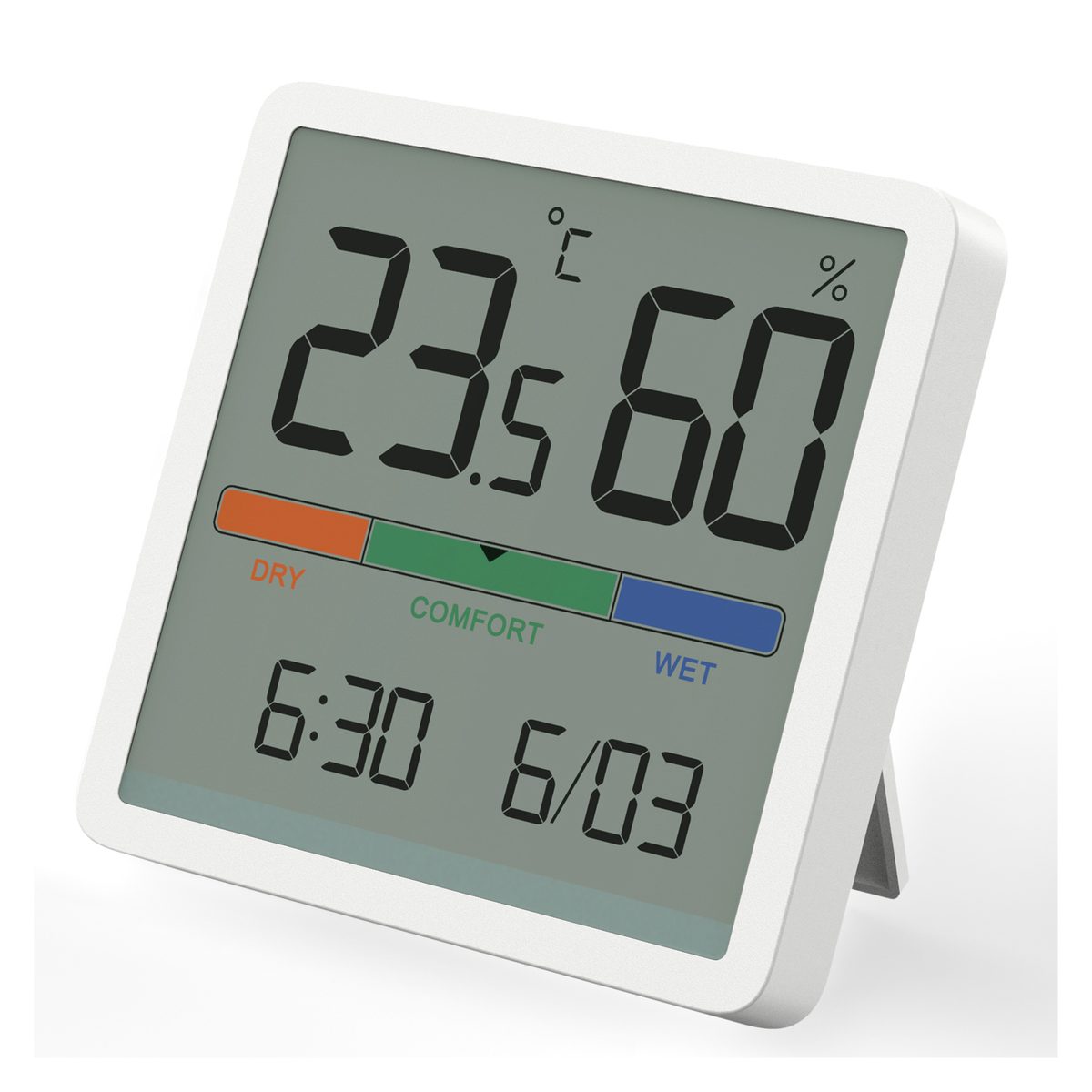
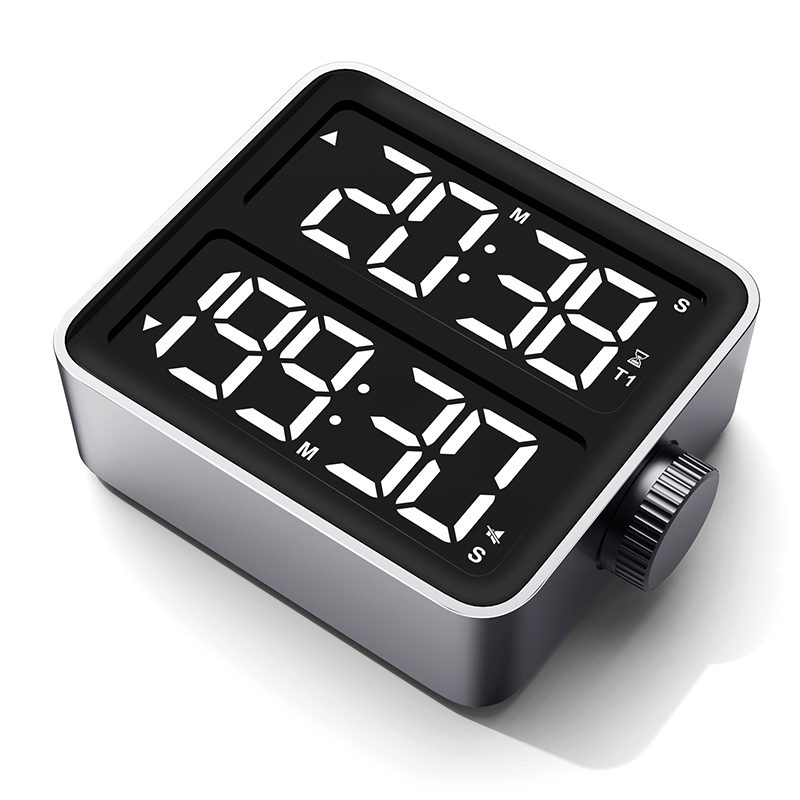
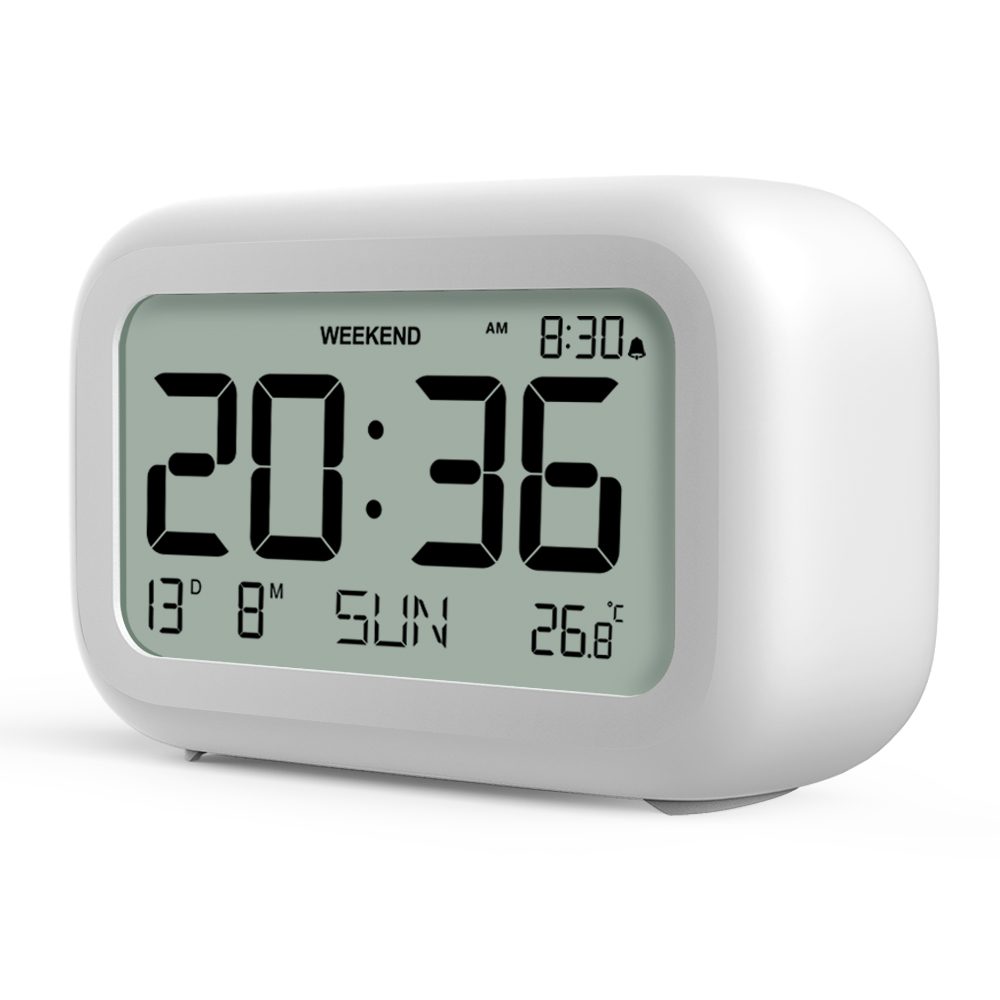
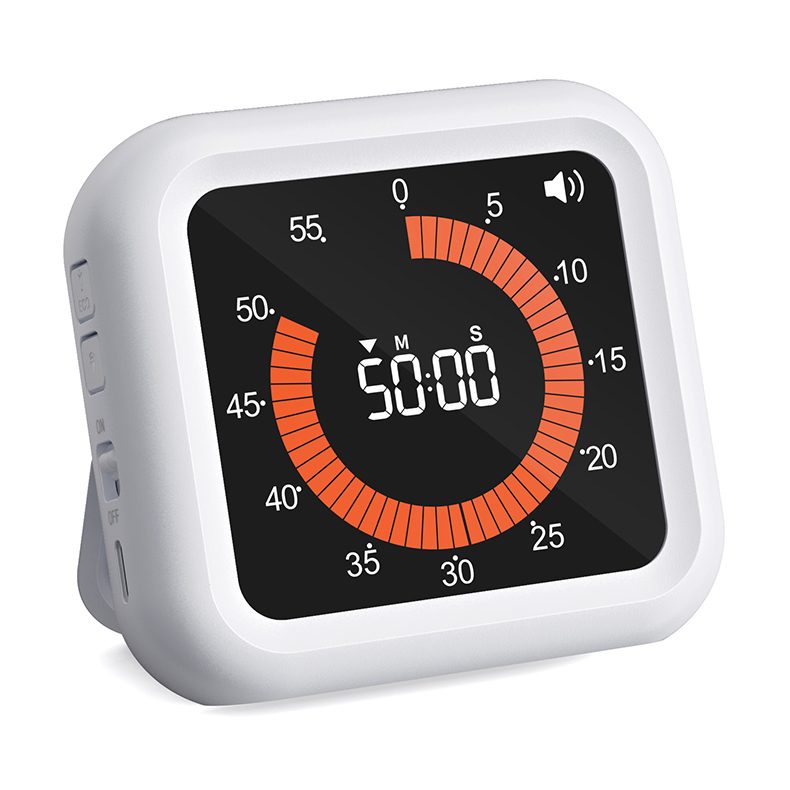
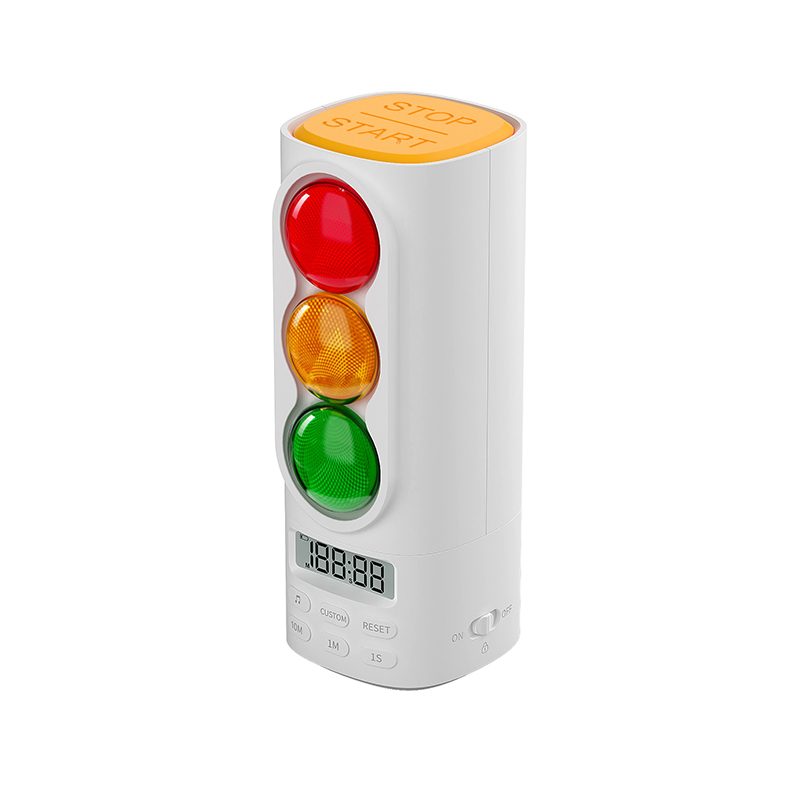
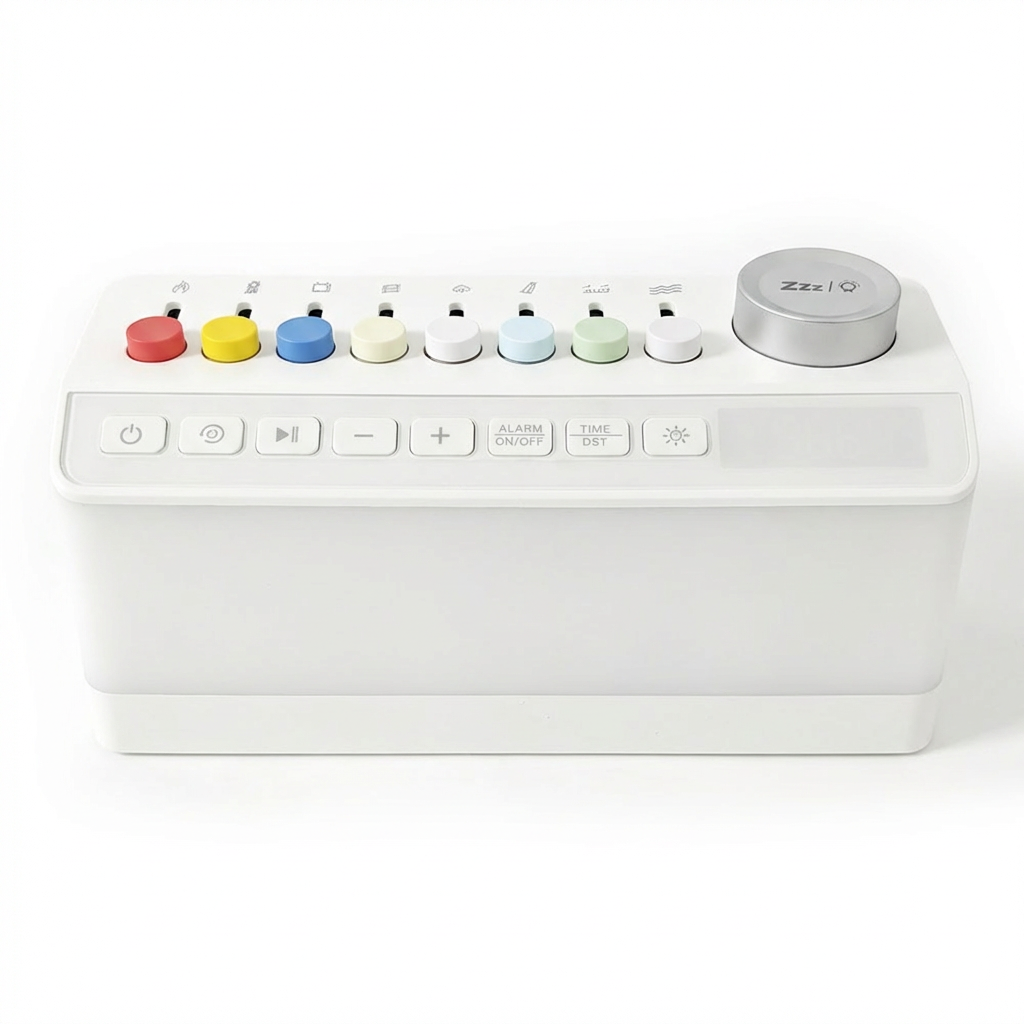
Modular capability blocks align to your SKU — OEM alarm clocks and timers, night-light Bluetooth speakers, smart glasses, and temperature & humidity meters on one audited supply chain.
SMT programming, in-circuit and functional test, and ESD-safe assembly for timers, clocks, Bluetooth audio, smart glasses, and thermo-hygrometer electronics.
Get PCBA SpecsInjection molding coordination, texture matching, and color lot control for housing programs.
Review Tooling OptionsTorque specs, button feel, and connector strain relief validated against your ID samples.
Validate Your DesignHumidity/temperature reference checks, timer accuracy, and safety dielectric routines as agreed.
Request Test ProtocolLogo application, dial graphics, and retail packaging formats under your brand guidelines.
Explore Brand OptionsConstruction files, label drafts, and test data packs for CE-, FCC-, and RoHS-related programs.
Get Compliance PackDecades of factory-side collaboration with global brands taught us where OEM programs stall — unclear specs, unfinished test plans, or packaging surprises. We invest early in documentation so your manufacturing process stays auditable and repeatable.
Manufacturing process, supply chain, and documentation
Straight answers for sourcing and quality teams evaluating an OEM factory in China. For commercial figures, send RFQ attachments through our inquiry form.
No questions match your search. Try another keyword.
YGHao manufactures to your approved drawings, BOM, branding, and test plans. We support PCBA, final assembly, functional test, calibration where needed, and export documentation for retail and distributor programs.
OEM follows your complete product definition. ODM starts from a brief or reference concept—we propose architecture, materials, and feature sets for clocks or environmental stations that you approve before tooling and validation.
Yes. Ownership and license scope are defined in the development and manufacturing agreement. Typically the brand retains deliverables while granting YGHao a license to produce under confidentiality.
Mutual NDAs are standard before sharing proprietary drawings or roadmaps. Your legal team can align our template with your procurement policy.
Yes. Multifunction bedside, kitchen, and weather-station-style clocks are common in our portfolio. Sensor selection, calibration, and UX are co-defined with your team.
We co-develop firmware and PCBA for provisioning, OTA policy, and regional variants. Radio modules are chosen for your target certifications and antenna integration.
Yes, provided they are sourced through approved channels and meet DFM and qualification rules. Substitution control is managed through formal ECO and AVL updates.
Where platforms exist, we can amortize NRE across derivatives—displays, radios, or power topologies—while keeping certifications and documentation aligned per SKU.
Released binaries are stored under revision control with checksums. Programming stations and travelers reference the same version hash to prevent line mismatch.
Exclusivity can be negotiated when tooling ownership and volume commitments are clear. Terms are documented alongside NDA and supply agreements.
Typical packs include build travelers, test summaries, golden sample references, and conformity-oriented drafts aligned to your target markets. Scope is defined per program gate.
We align with customer stage-gate vocabulary. Milestones link tooling, validation builds, and MP readiness reviews to measurable exit criteria.
Scheduled audits and line walks are welcome. We recommend a written agenda aligned to quality, engineering, and compliance checkpoints relevant to your category.
ECOs are reviewed for electrical, mechanical, and compliance impact. Quotes reflect retest scope, fixture updates, and any partial re-certification—not only the cost of a part swap.
Yes. Joint reviews on CMF, stack-up, and DFM reduce rework between ID concepts and mold-ready surfaces.
Deposit schedules and mold storage/maintenance are defined in the commercial agreement. Re-start timelines depend on mold condition and BoM or standard refreshes since pause.
We routinely prepare documentation packages suitable for EU, UK, and North American channels, coordinated with your compliance owner and chosen test laboratories.
MOQ depends on tooling amortization, PCBA complexity, and certification scope. After DFM review we quote explicit MOQs and price breaks tied to realistic volume bands.
Pilot runs are common for channel tests. We align pilot size to line validation and component minimums while keeping traceability comparable to MP.
Milestones typically tie to DFM sign-off, T0/T1 samples, and qualification gates rather than a single upfront payment without deliverables.
Commercial terms are agreed per account and region. We document currency, Incoterms, and payment triggers in the purchase framework.
Yes. Provide routing instructions, carton marking rules, and barcode requirements early so outbound packs match your DC automation.
We align forecasts, material buffers, and overtime plans with your promotional calendar. Early commitment on long-lead plastics and displays protects shelf dates.
EXW, FOB, and CIF combinations appear frequently depending on whether you control booking or we integrate outbound logistics. Risk transfer is explicit in quotes.
Schedule releases are supported when they respect component MOVs and line efficiency. Each release should reference firm part numbers and revision levels.
Service SKUs can be quoted with separate MOQs and packaging rules. Define regional adapter or battery configurations up front to avoid mixed masterpacks.
Arrangements are evaluated case by case against cash-flow and liability policies. Clear ownership of inventory at each stage is documented.
Written order confirmation restates SKU, quantity, Incoterms, and ship window. If material conflicts arise, allocation is communicated with revised dates.
Yes. Provide standardized commercial invoice and packing list templates so document fields remain consistent shipment to shipment.
Expedite fees and cut-off times are quoted when schedules slip. Premium freight should be approved in writing with named carriers when possible.
Liability for long-lead material should be defined in the supply agreement. Transparent allocation discussions early reduce scrap and obsolete exposure.
Channel-specific prep can be added as documented operations. Provide ASIN/FNSKU mapping and compliance checklists from your channel owner.
We escalate component PCNs with impact analysis and recommended last buys. Your engineering team approves alternates before line adoption.
Yes, with strict traveler and flashing discipline so EU versus NA packs never cross lines undocumented.
IQC, in-process controls, and OQC are aligned to agreed control plans and sampling levels. Traceability ties lots to test records for clocks and electronics assembly.
Many programs reference ISO 9001-style systems. Request current certificate scope and audit summaries relevant to your vendor qualification process.
We coordinate technical files, test planning, and declaration drafting with your compliance lead and accredited laboratories as required by product scope.
Modular approvals or certified radios are integrated per layout rules. Final equipment authorization strategy is agreed before MP flash rules freeze.
Material declarations and supplier certificates are collected at homogeneous levels where practical, aligned to your distributor or retailer substance policies.
Pre-scans during layout reduce late-stage surprises. Formal compliance testing is performed at accredited labs you or we mutually appoint.
Goldens and limits are stored, labeled, and revision-controlled. They gate cosmetic and functional acceptance with photo references where helpful.
Plans may include life cycling for buttons and knobs, acoustic checks for alarms, environmental storage, and drop or vibration per channel requirements.
References and guardbands are defined per SKU. Line stations log out-of-tolerance events and block serialisation when rules are breached.
When your commercial scope requires UKCA, labeling artwork and technical files are maintained as parallel controlled variants.
Containment, root cause, and systemic updates to control plans are documented. Customers receive timelines and evidence suitable for retailer escalation.
Shipment-level CoC formats can mirror your legal entity and SKU mix. Align signature authority with importer-of-record structures.
Design rules reference applicable standards for your target markets. Torque, screw retention, and instructional labeling are validated on pilot builds.
Scheduled third-party audits are supported subject to confidentiality and safety rules. Typical agendas cover quality systems and line execution.
Gauges and fixtures carry calibration due dates with recall procedures. MSA studies are available for critical measurements when programs require them.
We assemble lot history, test extracts, and disposition trails scoped to the serial or date code under dispute while protecting unrelated customers data.
Downstream questionnaires are completed against controlled BoM data. Severely incomplete subtier data is flagged rather than guessed.
Simple programs may move in months; new electronics plus tooling commonly span longer when certifications and iterations are included. Milestones are quoted after feasibility review.
Steel tooling lead time depends on cavitation, texture class, and supplier load. Your quote lists parallel paths for samples versus MP readiness.
EMC and safety campaigns are scheduled around representative plastics and firmware. Late changes that alter emissions profiles can add weeks—front-load risky tests when possible.
Long-lead MCUs, displays, or specialty passives can gate schedules. Transparent allocation updates preserve trust versus silent slips.
Firm forecasts should cover component lead times plus line slotting before peak. Holiday programs benefit from locked BoMs earlier than casual SKUs.
Parallel paths help when risks are managed—duplicate spend versus calendar gain is reviewed with finance and engineering jointly.
Prototype spins depend on part procurement and process—PCBA days to weeks; molded appearance samples track tool complexity.
We publish blackout and recovery windows annually. Pre-build buffers and aligned material commits reduce post-holiday airfreight spikes.
Artwork should align with labeling and certification snapshots. Late copy changes can ripple into carton proofs and retailer submissions.
Capacity reservations follow signed plans and material readiness checkpoints. Sliding MP dates should trigger reconfirmation of slot assumptions.
Yes. Branch freezes for EMC and safety builds should be explicit. Emergency patches after freeze require retest impact analysis.
Minor mechanical ECOs may be days if no retest; electrical changes that affect compliance may require longer planned line downtime.
Ocean transit varies by port pairing and congestion. Your logistics owner receives cut-off and ETA templates per lane.
Yes when inventory policies allow splitting styles or regions. Document partial invoice and customs treatment to avoid valuation confusion.
Displays often sit on the critical path. Multi-source qualification or alternate sizes should be decided before locking fixture and lens geometry.
Weekly or bi-weekly program calls with written status notes are typical near MP; daily during containment events.
Whether you need custom OEM products, competitive pricing on existing lines, or a full B2B supply partnership — our team is ready to help.
A six-step project framework. Deliverables and approval responsibilities are agreed for each order.
Tell us which files your team needs. Availability, usage rights, charges and preparation time are confirmed for the selected model; this is a request checklist, not an unconditional supply promise.
This form is for business procurement, private-label programs and OEM/ODM projects. MOQ depends on the model and customization; submitting a request does not confirm a sample offer, price or delivery date.