Protecting Your Brand: Partnering with an Electronic Promotional Gifts Manufacturer That Holds Patent Clearances
The Customs Seizure Risk: Why Your Electronic Promotional Gifts Manufacturer Must Own the Patents

Abstract representation of seamless, risk-free global logistics and custom clearances.
A design patent dispute doesn’t wait for your product to hit shelves; it starts when border agents seize your freight at the port of entry, instantly wiping out 100% of your campaign’s ROI. If a competitor flags a design overlap, customs authorities in Los Angeles or Rotterdam will impound the entire container on arrival. These port agents aren’t there to arbitrate complex IP arguments on the dock—they act on pre-filed design patent claims and active infringement alerts. While your marketing team is left scrambling to replace the missing giveaways, your corporate legal department is stuck defending your brand in local courts. In Western markets, the legal and financial liability lands squarely on the importer of record, never the offshore broker who sold you the batch.
This risk is a built-in feature of the “open-mold” stock sold by trading companies and trading brokers. These middlemen rarely own factories; instead, they source generic plastic items from public catalogs shared across hundreds of small workshops in manufacturing hubs. These molds are frequently cheap, uncredited copies of patented retail electronics. When a broker sells them to you as “open-mold” stock, they are quietly shifting 100% of the patent liability onto your balance sheet. The only way to insulate your brand is to work directly with a genuine electronic promotional gifts manufacturer that develops, tools, and owns its own designs. That is why at YGHao, we run a 4,000-square-meter Shenzhen facility established in 1999, focusing on independent, patent-cleared product lines where we control the IP from the first sketch to the final assembly.
Verifying design ownership at the factory floor level is the only way to turn intellectual property from a liability into a basic compliance check. If a supplier cannot show you the active utility or design patent registration numbers for your specific target market, they do not own the product—and your brand is the one carrying the risk.
Comparing Mold Classes: Public Open Molds vs. Proprietary Factory Tooling
How do you verify whether an import-ready electronic device uses a legally protected mold or a high-risk public tool?
The answer determines whether US Customs or EU port authorities can legally seize your entire shipment at the border. When importing electronic promotional items, many brands fall into the trap of assuming a supplier owns the designs they display in their catalog. If you are investing in Proprietary Factory Tooling How you structure the initial manufacturing agreement determines whether you actually control the hardware asset or are simply renting temporary access from a middleman’s partner shop.
| Mold Class | Target Buyer | Tooling Asset Ownership | Upfront Capital Cost | Infringement Risk | Verifiable Proof Needed |
|---|---|---|---|---|---|
| Shared Public Molds | Low-budget mass promotions where IP and structural tolerances are secondary. | None. The physical tooling is owned by external family-run injection shops and rented by trading companies on daily press fees. | $0 (amortized completely into the unit price of the plastic parts). | Extremely High. These tools routinely copy patented retail tech shapes, resulting in rapid border seizures. | No proof exists. The manufacturer cannot provide native CAD files, internal PCB brackets, or structural 3D step files. |
| Modified Hybrid Tooling | Mid-tier corporate gift campaigns needing custom external branding. | Shared. The buying brand owns the customized faceplate inserts; the supplier retains the core internal chassis mold. | $1,500 to $3,000 for custom cosmetic front plates. | Moderate to High. The outer cosmetic panel is yours, but the underlying structural chassis still relies on a generic, potentially copied shape. | 3D assembly models demonstrating physical and legal separation of your custom inserts from the shared underlying frame. |
| Proprietary Factory | Enterprise brands and high-volume global roll-outs. | Complete ownership or exclusive production rights contractually assigned to the buying brand. | $5,000+ (frequently rebated once the buyer hits specified volume thresholds). | Minimal. Custom-engineered by the factory’s in-house mechanical engineering team. | Active utility and design patent registration numbers matching the manufacturing factory’s legal entity. |
Sourcing Myth: Swapping the cosmetic color or pad-printing your corporate logo onto a public mold device bypasses IP infringement issues. In reality, customs authorities and courts evaluate the overall structural silhouette—the logo does not shield you from design patent lawsuits.
Volume vs. Legal Risk: Matching Your Promotional Campaign to the Right Tooling Setup
A customs inspector in Rotterdam flags a container of branded power banks at 06:00 on a Tuesday, halting a major holiday rollout over a single disputed plastic hinge. In the B2B electronic promotional gifts sector, importing is never just a math problem of unit costs; your actual Legal Risk shifts dramatically based on where the freight lands and how it is distributed. Matching Your Promotional Campaign to the Right Tooling Setup is what prevents a routine shipping clearance from turning into a catastrophic legal seizure at the port of entry.
Exposure Corporate Campaigns
When an enterprise procurement manager distributes tens of thousands of custom wireless chargers at a global corporate summit, a single design patent dispute can tank a multi-million-dollar marketing strategy overnight. At this level of exposure, relying on open-market public molds is an unnecessary gamble, as competitors and patent trolls routinely scan high-profile corporate giveaways for design overlaps. The only logical move is to secure custom-tooled or heavily modified ODM designs from a verified electronic promotional gifts manufacturer like YGHao, backed by active design patents in your target markets. Investing in proprietary factory tooling up front might add a few cents to the unit price, but it completely inoculates your brand against the threat of customs holds and third-party injunctions.
Mass Retail Distributions
Importers moving electronic promotional items into Mass Retail or onto competitive e-commerce marketplaces run on thin timelines and automated platform algorithms. A rival brand can weaponize a generic IP claim to suspend your listing overnight, leaving you with thousands of unsellable units and rising warehouse storage fees. These distributors cannot afford to source from trading brokers who hide behind opaque supply chains; they require a direct, unassailable paper trail of CE, FCC, and RoHS certificates and patent licensing agreements issued in their own brand name. Working directly with the factory to establish a safe ODM partnership allows you to immediately upload formal design clearances to platform managers, resolving automated takedown attempts in hours rather than weeks.
Volume Budget Sourcing
When a purchasing manager has a fixed, low-margin budget for a regional event capped at 3,000 to 5,000 Units, paying for custom injection molds is a non-starter. Here, the priority in Volume Budget Sourcing is identifying stable, open-market molds that are legally safe because their design registrations have long since expired into the public domain. Seasoneds sourcing agents bypass the flashy, trending silhouettes on wholesale platforms—which are usually unlicensed copies of active retail patents—and instead specify classic, geometrically simple designs that factories have run reliably for a decade. Before signing any purchase order, ask your manufacturer to provide the exact design patent number for the mold they intend to run, because if they cannot produce a registration code, they are quietly passing their IP liability onto your balance sheet.
Three Sourcing Myths That Expose Importers to Patent Infringement Claims
Import liability for design patent infringement cannot be outsourced or contracted away. When a customs agency flags a shipment, they do not issue a summons to a factory in Shenzhen; they seize your container at the port of entry and hold your brand legally accountable. Many procurement teams mistakenly treat global B2B supplier directories as vetted catalogs of legally clear products. In reality, these platforms are open advertising boards that perform zero IP verification. Assuming a supplier is safe because they have a ‘Gold’ badge or have been listed for five years is a fast way to lose a seasonal marketing campaign to a federal seizure.
If an electronic gift is widely listed on global B2B supplier directories, its design must be legally cleared for import.
Directories operate on advertising revenue, not compliance audits. A trading company can easily buy a booth, copy a trending consumer casing, and list it as their own product without a single check from the platform. When sourcing a custom electronic promotional gifts manufacturer, you need to verify who actually owns the injection molds. At YGHao, we maintain our own in-house design and engineering teams to file patents globally before offering molds to our clients, ensuring that what you import has a clean paper trail back to the actual creator.
A Chinese utility or design patent automatically shields our brand from infringement claims in the US or European markets.
Patents are strictly territorial. A design registration filed with the CNIPA in Beijing does not offer a shred of legal protection if a competitor holds a matching utility or design patent with the USPTO in Washington or the EUIPO in Alicante. If your competitor has registered that specific structural silhouette in your target market, customs officials will impound your goods on arrival. To prevent this, demand the exact international registration numbers—such as WIPO, USPTO, or EUIPO filings—rather than accepting a local Chinese patent certificate as proof of global clearance.
An intellectual property indemnity clause in the supplier contract completely offsets our brand’s financial and legal risks.
The Tooling Audit Protocol: Vetting an Electronic Promotional Gifts Manufacturer’s IP Portfolio
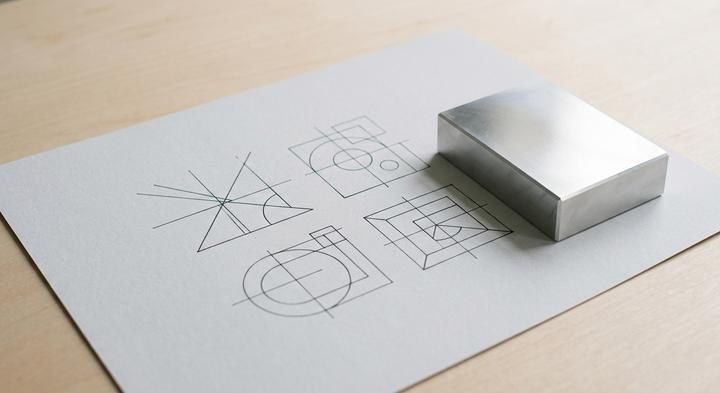
Vetting product tooling design with transparent, original engineering files.
How do I prove a Chinese supplier actually owns a promotional product’s injection mold?
Verifying true tooling ownership separates professional procurement from high-risk importing. While many suppliers claim to possess “private tooling,” some run public open molds or unauthorized duplicates that infringe on third-party designs. To shield your campaign from intellectual property disputes and customs seizures, your team must request raw, auditable shop-floor evidence directly from the production site.
This protocol treats tooling as physical and legal property that leaves a paper trail. When a supplier owns their molds, they hold the original SolidWorks models, steel purchase invoices, and active design registrations. Trading companies masquerading as factories fail to produce these documents, hiding behind excuses of “commercial secrecy.” Deploying this validation process ensures you only sign with factories that control their own IP, protecting your downstream supply chain.
| Ask | Expected Evidence | Red Flag | Responsible Party |
|---|---|---|---|
| Patent Registry Request active design patent registration numbers. | Active registration numbers on WIPO or USPTO databases matching the factory’s legal entity. | The supplier provides blurred screenshots or claims “pending” status indefinitely. | Buyer’s IP Counsel |
| Physical Tooling Request photos of physical mold plates showing stamped codes and steel invoices. | Clear photos of the mold base showing stamped tracking numbers, plus steel grade invoices (P20/NAK80). | The factory refuses to show physical molds or the stamped codes do not match the tooling log. | Hardware Quality Engineer |
| Native CAD Files Request native 3D files (STEP or SLDPRT). | Fully parametric 3D models displaying internal ribbing, assembly mating, and PCB mounting bosses. | The supplier offers only external renders or claims native files are “confidential.” | Lead Mechanical Designer |
| Certificates Request unredacted CE, FCC, and RoHS reports. | Laboratory test reports from SGS or TÜV where the applicant name matches the factory’s license. | Certificates showing blurred applicant names or expired test standards. | Compliance Lead |
Executing this protocol filters out high-risk brokers before you release a tooling deposit. Real ODM manufacturers, such as YGHao, streamline this process by providing active design patents, native CAD models for validation, and lab reports traced directly to their Shenzhen facility. This transparency guarantees that your promotional campaign remains free from sudden customs intervention at the port of entry.
Zero-Risk Custom Electronics: Securing Your Next Run with YGHao’s Patent-Clear Catalog
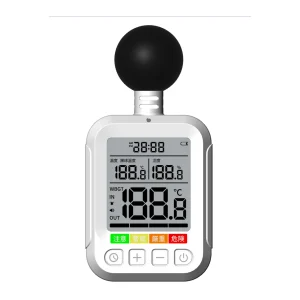
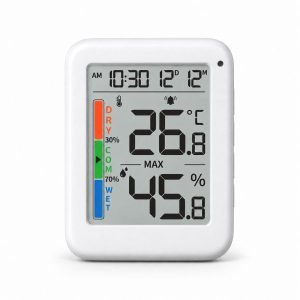
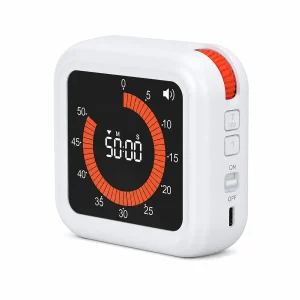
Once you know how easily public molds can lead to customs seizures, the hard part is finding an electronic promotional gifts manufacturer that actually owns its tooling and controls the physical shop floor. At YGHao, we run this process ourselves across our 4,000-square-meter Shenzhen facility, keeping everything from the first electronic design file to the steel injection molds and final assembly in-house. When you bypass middleman brokers and unverified mold-sharers, you stop design leakage before it starts. Whether we are producing custom digital clocks, count-down timers, integrated night-lights, or high-accuracy thermo-hygrometers, our team maintains direct custody of the product blueprint. This in-house control is backed by over 200 active, verified compliance certificates—including CE, FCC, RoHS, and REACH registrations registered directly under our factory name, eliminating the Risk Custom Electronics buyers face when dealing with shell companies or paper traders.
Securing your next run means getting verifiable proof of design ownership before you sign off on production or wire a deposit. To help you evaluate these designs without upfront financial exposure, we have made our complete, patent-safe ODM catalog available for immediate review. You can download the Clear Catalog Now to browse our fully vetted concepts, or request our complete 2026 Product Catalog to inspect specific functional layouts and packaging options. If you have a custom concept ready for evaluation, our engineering team can review your 3D files under a strict NDA, helping you confirm mold safety and regulatory readiness long before the first tool is cut.