YGhao Timer Guide for OEM Buyers and Brand Teams: What to Evaluate Before You Source
Why Timer Selection Matters for OEM Programs
A timer looks like a small line item until sourcing exposes the real work: the wrong interface, a mismatched supply voltage, or an awkward mounting method can push a simple program into extra sampling, redesign, and delayed approvals. For OEM buyers and brand teams, the point is not to “buy a timer” in the abstract; it is to confirm early that the timer fits the product’s use case, the assembly process, and the commercial guardrails before RFQ and sample sign-off.
What usually breaks first
The earliest problems are rarely about timing alone. They show up at the handoff between product requirements and supplier assumptions.
- Interface fit: Confirm whether the timer needs push-button control, rotary adjustment, digital setting, or a simple embedded timing function.
- Power and voltage: Check the operating power source, voltage range, and whether the timer must share a supply with another module.
- Installation method: Verify panel cutout, bracket fit, PCB attachment, cable exit, or other mounting constraints before the drawing is frozen.
- Readability and labels: Make sure the display, icon set, language, and warning text match the user environment and the brand’s packaging standard.
- Duty profile: Clarify whether the timer will be used occasionally, repeatedly, or in a harsher setting where wear, heat, or vibration matter.
The sourcing question to answer early
Before an RFQ goes out, the team should be able to answer a few basic questions without debate: What exactly is the timer doing in the product? Who sets it and how often? Does the supplier need to provide a standalone unit, a module, or a timer function inside a larger assembly? Those answers shape quote accuracy more than appearance does.
- Use case: Consumer product, control panel, appliance, or industrial device.
- Integration level: Standalone component, embedded module, or custom subassembly.
- Configuration method: Fixed function, user-adjustable, or software-linked.
- Approval path: Visual sample only, functional sample, or full pre-production validation.
Why this affects cost and timing
A vague brief often creates avoidable back-and-forth: suppliers quote different assumptions, samples arrive with the wrong connector or layout, and procurement has to reopen questions that should have been settled before development started. Clear timer selection reduces that churn because engineering, procurement, and branding are working from the same acceptance logic.
If the requirement is still loose at sample stage, the project usually pays for it later in change requests, rework, or slower mass-production release.
What this section sets up
For OEM programs, timer selection is less about picking the “best” product and more about locking the right specification boundary. That means checking fit, power, mounting, validation, and change control before supplier comparison begins, so the team can evaluate quotes on the same basis instead of discovering mismatches after samples land.
What Kind of Timer Are You Actually Sourcing?
Start with the job, not the label
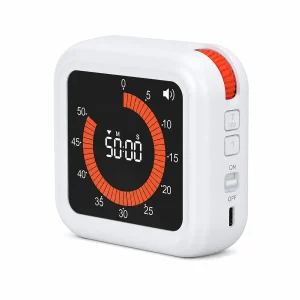
A timer can mean very different things in OEM sourcing. In one project, it may be a standalone unit with its own display and controls; in another, it is only a timing function inside a larger device or control panel. That distinction changes the spec, the quote, and the approval path.
Match the timer type to the application
| Timer type | Typical use case | Integration level | Sourcing implication |
|---|---|---|---|
| Standalone timer | Consumer appliances, kitchen tools, simple reminders | Low to medium | Easier to brief, but the housing, interface, and power source still need confirmation |
| Embedded timing module | Industrial devices, control equipment, custom panels | Medium to high | Requires tighter coordination on fit, wiring, and functional behavior |
| Timer function inside a broader device | Smart products, multi-function systems | High | The timer spec must align with the host product logic, UI, and firmware constraints |
Compare what actually matters
Before RFQ, compare the timer on practical axes, not just appearance:
- Setting method: dial, buttons, touchscreen, or software-controlled.
- Readability: display size, contrast, icon logic, and viewing angle.
- Timing requirement: basic countdown, repeat use, or tighter accuracy needs.
- Power source: battery, mains power, or host-device power.
- Integration complexity: mounting, signal interface, and enclosure fit.
A quick buyer scenario
A brand team building a countertop consumer product may favor a clear display and simple operation. A control-panel application usually cares more about interface compatibility, installation method, and stable repeat behavior. The right timer is the one that fits the use case with the fewest design changes later.
Key Criteria OEM Buyers Should Evaluate Before Requesting Quotes
Start with the use case, not the catalog page
A timer can look straightforward until the buyer has to define how it will be used in the finished product. Before sending RFQs, procurement and brand teams should agree on the operating context: is the timer meant for quick consumer interaction, repeat use in a control panel, or a more exposed environment where visibility and durability matter more than price.
- Timing needs: Confirm the required range, repeat frequency, and whether the timer must handle short intervals, countdown use, or longer cycles.
- Interface logic: Decide how users will set, read, reset, or confirm the timer, and whether the controls need to stay simple under pressure.
- Readability: Check display size, contrast, and viewing angle so the timer remains clear in the actual installation position.
- Duty profile: If the unit will be used often, ask whether the supplier can support repeated operation without drift or premature wear.
Align customization with the real product brief
Many quote revisions come from missing decisions about the parts customers will notice first: branding, housing, language, and installation details. A supplier can usually work faster when those points are fixed before sampling, not after the first prototype arrives.
- Branding scope: Confirm logo placement, color limits, and any packaging or label requirements.
- Housing and layout: Specify form factor, button arrangement, mounting method, and any space constraints inside the device.
- Language and markings: List the text, icons, or regional variants that must appear on the timer.
- Integration point: Define whether the timer is a standalone product or part of a larger assembly, since that changes the sourcing logic.
Define verification before approval
Quality expectations should be written down in a way that both sides can test. For OEM buyers, the useful question is not whether a sample looks acceptable in isolation, but which checks will decide approval and which issues will trigger rework.
- Sample checks: Confirm what functions must work on the first sample, including set/reset behavior and display response.
- Functional tests: Ask which operating conditions should be tested before sign-off, especially for repeated use.
- Incoming inspection: Decide which visible and functional points will be checked when goods arrive.
- Change control: Require a clear process for handling revisions so small adjustments do not become silent spec drift.
Match the commercial terms to the sourcing plan
A timer project can still fail commercially if the quotation does not reflect the buyer’s production reality. MOQ sensitivity, lead-time expectations, and revision costs should be discussed early, because they often shape the final supplier shortlist as much as the technical fit.
- MOQ fit: Check whether the proposed minimum order level matches the program stage.
- Quote stability: Ask what information the supplier still needs before pricing becomes reliable.
- Revision risk: Look for any point where unclear specs could create repeated quote changes.
- Decision speed: The cleaner the brief, the fewer rounds of clarification the team usually needs before moving forward.
Questions to ask before RFQ
- What exact timer type is required for this application?
- Which features are fixed, and which can remain flexible during sampling?
- What quality checks must be passed before approval?
- Which customization items affect cost, lead time, or MOQ most strongly?
- Who signs off on functional fit, branding, and commercial terms internally?
A Practical OEM Sourcing Flow for Timer Projects
Start with the timer’s real job
A timer project usually fails early when the team defines the housing before the timing need. For OEM sourcing, the first task is to lock down what the timer must do in the end product: count down or count up, trigger an action, show remaining time clearly, or fit into a control panel with limited space. That decision affects the display, power source, interface, and even the approval path.
- Use case fit: Kitchen devices, industrial panels, and consumer appliances often need different visibility, reset logic, and mounting styles.
- Timing behavior: Confirm whether the timer needs one-shot use, repeated cycles, or stable operation after power loss.
- Interface choice: Rotary knob, buttons, touch input, or embedded control each changes the sourcing scope.
- Environment check: Heat, vibration, grease, humidity, and cleaning methods can change the acceptable materials and sealing.
Move from concept to a testable spec
Once the use case is clear, procurement and product teams should turn it into a short spec that a supplier can quote against. For a timer, vague wording like “easy to use” does not help. Better inputs include the required timing range, display readability distance, power option, installation method, labeling language, and whether the unit must match an existing product family.
| Phase | Key output | Buyer action | Supplier checkpoint |
|---|---|---|---|
| Requirement definition | Written timer spec | Confirm timing range, UI, power, and mounting constraints | Flag conflicts between function and structure |
| Sampling | First sample or prototype | Review display, reset logic, and fit in the target device | Build to the agreed spec, not a loose interpretation |
| Validation | Test feedback and issue list | Check accuracy, interface response, and visibility in real use | Revise only the approved items, not the full design |
| Pilot run | Pre-production release note | Verify assembly, packaging, and label consistency | Hold process settings and material lot traceability |
| Mass production | Release sign-off | Freeze changes before volume orders | Maintain the approved BOM and test routine |
Watch the timer-specific risk points
In timer sourcing, the biggest misses are often small but expensive. A timer that looks right on paper may be hard to read in low light, may drain battery life faster than expected, or may fail when the button layout is used with gloves. If the product sits inside a sealed appliance or a busy control cabinet, the team should also check mounting depth, front-panel visibility, and whether the connector or cable route clashes with the enclosure.
- Accuracy and repeatability: Ask how the supplier verifies timing performance across samples, not just on one unit.
- Display and legibility: Check contrast, viewing angle, backlight needs, and icon language for the target market.
- Power and reset behavior: Confirm what happens after interruption, replacement, or standby.
- Compliance and test scope: Align early on any electrical, mechanical, or safety tests tied to the target application.
Use the handoff to prevent late changes
A common failure point appears when the product team approves a sample for function, then procurement sends the quote without locking the same revision. That handoff should include the exact timer version, approved artwork if branding is involved, and any test notes that affect production. When those details are fixed before PO release, the supplier can quote the right build and the buyer avoids rework after pilot units arrive.
- Buyer handoff: Freeze the approved spec, sample photos, and acceptance notes.
- Supplier handoff: Confirm BOM, test method, lead time, and change-control rules.
- Release rule: Do not open volume order status until the agreed timer version matches the validated sample.
Common Timer Sourcing Mistakes and How to Avoid Them
Mistake 1: Treating the timer as a style choice
A timer can look simple on the outside and still fail in use if the spec is driven by price, color, or display layout alone. If the device will sit in a kitchen, workshop, or control panel, the real questions are timing range, visibility, mounting method, and how users will interact with it day to day.
- Use-case mismatch: Define who uses the timer, how often, and in what environment before asking for quotes.
- Spec gaps: State the required timing behavior, power source, and interface expectations in plain language.
- Late rework risk: Small visual changes can trigger hardware or packaging revisions if the brief was too thin.
Mistake 2: Approving samples without clear acceptance criteria
Vague sample feedback often creates the same problem twice: the supplier thinks the sample is close enough, while the buyer still expects changes. A short approval checklist helps both sides lock the target before pilot production.
- Functional checks: Confirm whether start, stop, reset, and display behavior match the intended use.
- Quality checks: Document what counts as a defect, cosmetic issue, or acceptable variance.
- Decision trail: Keep comments tied to the sample version so later revisions do not blur the record.
Mistake 3: Ignoring integration details
Mounting, labeling, display angle, and packaging are easy to overlook until the timer reaches the assembly line. One procurement team may discover too late that the housing fits the product, but the viewing angle does not suit the end user, which forces another sample round.
- Mounting fit: Verify panel cutouts, attachment points, and installation steps early.
- Readability: Check visibility under the actual lighting and viewing distance.
- Logistics fit: Confirm labeling and packaging requirements before mass production.
Signals the brief is incomplete
Slow quote revisions, repeated clarification requests, and inconsistent sample feedback usually point to a missing requirement rather than a supplier problem. When that happens, the fastest fix is to tighten the brief before the next round, not to negotiate harder on the same unclear scope.
- Slow revisions: The supplier is still interpreting basic needs.
- Mixed feedback: Different stakeholders are judging samples by different standards.
- Repeated questions: Core details were not defined well enough for a clean quote.
Better upfront evaluation usually leads to cleaner sourcing decisions and fewer downstream changes.