Customizing Your Brand’s Thermo-hygrometer: OEM Packaging, Logo Printing, and Quality Audits
The First 10,000 Units: Why Thermo-hygrometer Customization Succeeds or Fails at the Port

Environmental protection starts during maritime transit, shielding internal sensor calibration from damp container conditions.
Calibration accuracy on a custom thermo-hygrometer is won or lost in the cargo hold, not on the assembly line. When a consumer wellness brand plans a retail rollout, they assume the physical survival of their sensor’s calibration is guaranteed once it leaves the factory floor. But ocean transit subjects containers to extreme temperature swings, creating internal condensation—or “container rain.” If the supplier uses cheap, unsealed paperboard, it acts as a sponge, creating a damp microclimate that quickly shifts the sensor’s baseline. By the time the container is unloaded at the destination Port. The First 10,000 Units must meet accuracy standards, but moisture saturation will have already skewed the capacitive sensor beyond recovery.
This environmental risk is compounded by structural transit compression and customs compliance. Standard corrugated outer cartons easily buckle under vertical loads when stacked in tight holds, transferring the weight to the retail boxes and cracking the molded plastic housings. Meanwhile, shipments frequently stall at customs over packaging compliance rather than the device itself. A missing FSC wood-pulp certificate or a failed ink-lead test report on the box can freeze a high-profile retail launch, racking up thousands in daily demurrage fees while the seasonal sales window closes.
We eliminate these logistics bottlenecks by integrating sensor calibration with humidity-controlled retail packaging under one roof. At YGhao, we protect our custom thermo-hygrometers using vacuum-sealed moisture-barrier bags, industrial desiccants, and high-ECT (Edge Crush Test) cartons designed specifically to resist moisture ingress and VOC outgassing. For procurement teams, auditing a supplier’s packaging bill of materials is just as critical as signing off on their circuit schematics. Never approve a custom thermo-hygrometer production run until the supplier provides a documented packaging specification guaranteed to keep the internal carton relative humidity below fifty percent throughout maritime transit.
Comparing Customization Paths: Shell Modifications, Logo Printing, and Packaging Costs
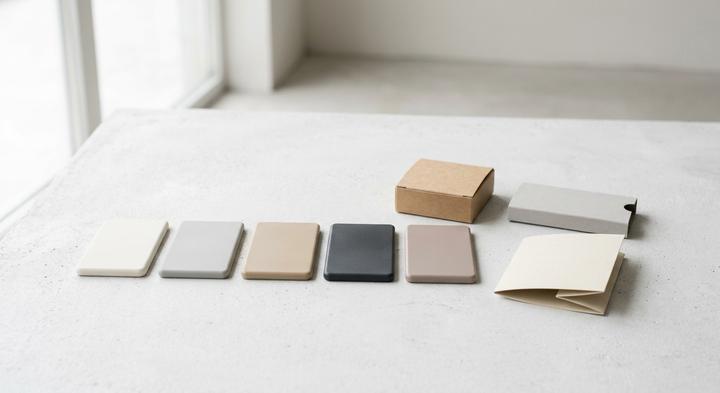
Selecting the right material housings and package weights maintains structural integrity without raising dimensional freight costs.
What is the true cost of custom thermo-hygrometer tooling and packaging at 10,000 units?
The short answer is that a custom injection mold will sink your margins unless you amortize it across multiple runs, but smart private-labeling gets you the same brand impact for $0 in tooling. The real trade-offs hide in the mechanical durability of the polymers, ink adhesion on the assembly line, and how your box geometry shifts freight volumes. Let’s look at the numbers for a standard 10,000 units run to compare the physical and financial realities of each path.
| Customization Level | Tooling Charge | True MOQ Floor | Sensor Venting Impact | Unit Cost Premium |
|---|---|---|---|---|
| White-Label (Standard ABS, stock shell, solvent silk-screen logo, cardstock sleeve) | $0 | 1,000 units | None. Uses stock venting layout; zero airflow restriction. | Baseline (Reference cost) |
| Modified Private-Label (Flame-retardant PC/ABS, Pantone PMS casing, UV digital print, FSC rigid box) | $0 | 3,000 units | None. Standard enclosure slots are untouched while improving housing durability. | +$0.15 – $0.35 per unit |
| OEM Shell Modification (Custom molded enclosure, direct laser engraving, custom packaging) | $8,500 – $15,000 | 10,000 units | High risk. Alters internal chamber volume and airflow, requiring sensor recalibration. | +$0.75 – $1.20 per unit |
The Procurement Verdict
For a 10,000 units rollout, the numbers show why the modified private-label path is the standard choice. Going with standard ABS is fine for dry, climate-controlled environments, but if your thermo-hygrometer is bound for industrial floors, standard ABS is prone to environmental stress cracking and poor chemical resistance. Upgrading to a flame-retardant PC/ABS blend solves this and ensures consistent Pantone PMS color matching across batches. For branding, while UV-curable digital printing handles complex multi-color logos with fast curing speeds, solvent silk-screening offers better long-term abrasion resistance on high-touch casings; laser engraving is permanent but can warp plastic if the power isn’t dialed down. Finally, look at the logistics math. When calculating Packaging Costs What we are actually tracking is the physical volume. Swapping a flat cardstock sleeve for an FSC-certified double-wall rigid box increases protective durability but expands your shipping volume (CBM) by up to thirty percent, taking a direct bite out of your ocean freight margins. At YGhao, we keep our stock casing molds open for PMS adjustments and UV-curable logo prints, letting you avoid the $8,500 – $15,000 tooling charge while preserving the pre-calibrated ventilation paths required for reliable sensor performance.
Three Sourcing Profiles: Aligning Your Brand’s Customization Tier
An incoming QC inspector rejecting a water-damaged pallet at the loading dock at 7:00 AM knows exactly when a packaging specification has failed. When sourcing a custom thermo-hygrometer, your distribution channel dictates your physical, cosmetic, and testing requirements long before your cargo ever clears customs. YGhao structures its OEM calibration and structural packaging lines around three distinct distribution profiles, ensuring you do not over-engineer the packaging or under-specify the device’s environmental protections.
The Multi-Channel Consumer Brand
A retail-first brand selling through high-end brick-and-mortar stores requires cosmetics and structural integrity that survive both long-haul distribution and hands-on shopping. This profile demands high-fidelity spot color reproduction (matching brand PMS colors across plastic and cardboard), FSC-certified paperboard packaging, and molded internal thermoform trays engineered to pass ISTA 1A commercial drop testing. When retail margins are tight, balancing package aesthetics with structural strength is critical; over-packaged units balloon freight volumes, while fragile retail boxes lead to costly store returns. Securing a hybrid thermoform-cardboard design protects the internal sensor calibration during handling while keeping the external footprint compact enough to fit maximum units per shelf facing.
The Industrial & HVAC Sourcing Team
Industrial and HVAC operations bypass retail aesthetics entirely to prioritize environmental durability, sensor longevity, and absolute measurement accuracy. These buyers require a thermo-hygrometer built to withstand high-humidity mechanical rooms, chemical off-gassing, and dusty air ducts without experiencing rapid calibration drift. This procurement path prioritizes NIST-traceable calibration verification certificates, high IP-rated dustproof enclosures, and laser-etched markings that resist industrial solvents during routine maintenance. Instead of high-gloss presentation boxes, these units are shipped in heavy-duty master cartons packed in bulk with custom corrugated cell dividers, ensuring the devices survive bumpy flatbed deliveries directly to job sites.
The E-Commerce Private-Label Seller
For online-first brands, the core strategy relies on minimizing initial tooling capital, reducing lead times, and optimizing dimensional weight for airfreight. To stay competitive, these sellers skip the $10,000 custom injection tooling and use stock housing molds customized with custom-colored plastic resins and high-adhesion pad printing. Packaging must be designed around strict shipping volume limits; a flat-pack folding box with thin but rigid internal cardstock inserts can reduce dimensional weight by 35% compared to stock retail boxes. Before committing to a full run, require your supplier to provide a verified packaging weight analysis to prevent unexpected shipping surcharges from eating your entire margin.
Common Missteps in Custom Thermo-hygrometer Branding and Package Design
Your custom branding choices will ruin a thermo-hygrometer’s calibration long before a bad sensor chip does. High-precision capacitive sensors are highly sensitive to their microclimates; treating casing modifications or retail boxes as mere cosmetic options is a fast path to high return rates. When aesthetics override physical and chemical realities, production-line calibration accuracy evaporates during long-distance transit.
Custom housing modifications do not affect internal sensor airflow.
Covering a rear ventilation slot with an embossed rubber badge or an oversized brand label traps heat inside the casing. This creates a stagnant microclimate around the internal thermistor, blocking the active convective air exchange needed for accurate climate tracking. The resulting heat retention causes localized temperature spikes that skew relative humidity readings by up to 12% RH. If a custom design alters the plastic shell, the engineering team must preserve the original vent surface area and verify air exchange rates through fluid simulation rather than guessing on the assembly line.
Standard silk-screened logos survive normal retail handling without a protective topcoat.
Oils from human skin and warehouse friction will dissolve uncured printing solvents on standard plastic casings. Without a specified UV-cured acrylic coating, a custom logo will smudge, scratch, or peel within days of unboxing. Instead of approving a cosmetic sample based on a quick visual inspection, procurement teams must require the manufacturer to run and document ASTM D3359 cross-hatch adhesion tests on early-run units. If they cannot provide the test report for your specific ABS or PC blend, the branding is highly likely to fail in the field.
Packaging materials are chemically inert and have no impact on internal sensor calibration.
Using cheap, solvent-heavy adhesives or low-grade thermoform plastics inside a sealed retail blister pack creates a concentrated chemical chamber. When those shipments spend weeks in high-temperature shipping containers, volatile organic compounds (VOCs) outgas and settle directly onto the sensor’s capacitive polymer layers. This causes irreversible calibration drift before the hardware ever reaches a customer shelf. At YGhao, we mitigate this by using water-based, neutral-pH adhesives and running strict outgassing bakes for all internal packaging trays.
Are your custom packaging specs actively protecting your hardware’s calibration, or are they slowly degrading your sensors in the shipping container?
Auditing Your Thermo-hygrometer Supplier’s Packaging and Printing Capability
How do you audit a thermo-hygrometer factory’s custom printing and packaging line before placing a bulk OEM order? To assess their Printing Capability How do you verify physical print durability and carton structural integrity before the shipment leaves the factory floor?
| Quality Gate | Required Test Standard | Common Failure Mode | Corrective Action |
|---|---|---|---|
| Ink Adhesion Verification | ASTM D3359 cross-hatch tape test (3M adhesive tape) showing zero ink transfer, plus 95% alcohol rub test logs (50 cycles at 1 kg). | Peeling, scratching, or dissolving of logo printing, scale markings, and product housing labels during handling or solvent exposure. | The Factory Printing Shop Supervisor must recalibrate UV curing oven conveyor speed and intensity, or switch to a high-adhesion ink formulated for ABS. |
| Drop Simulation | Official ISTA 1A or 2A certified drop-test protocol reports conducted on fully packed, maximum-weight master export cartons. | Internal cardboard inserts collapsing or retail boxes crushing, exposing the delicate pre-calibrated sensor to direct impact shocks. | The Packaging Engineering Lead must redesign inner corrugated dividers or increase the outer carton’s paper weight to double-wall grade. |
| Aesthetic Color Drift | Physical ink drawdowns on the actual cardboard substrate, signed off and locked as a physical “golden sample” at the factory QC desk. | Bulk production box colors diverging from prototype colors due to reliance on PDF files or generic PMS swatches on shiny paper. | The YGhao Account Manager and QC Lead must hold mass production until ink mix is adjusted to match the signed physical swatch on the matte box board. |
| Outgassing Prevention | Certified materials data sheets confirming use of low-VOC water-based adhesives, neutral-pH gray board, and food-grade soy inks. | Sealed shipping packaging or retail boxes emitting a sharp, pungent chemical solvent or hot-melt glue odor that shifts the humidity sensor’s calibration. | The Procurement Quality Specialist must audit the packaging sub-vendor’s adhesive sourcing and require a minimum 48-hour open-air degassing period before final shrink-wrapping. |
Treating retail packaging as an afterthought is a fast track to ruined calibration and costly retail rejections. When sourcing custom thermo-hygrometer runs, establishing physical and chemical benchmarks during initial contract negotiations protects your brand equity and ensures bulk shipments arrive calibrated, scent-free, and shelf-ready.
Taking Your Custom Thermo-hygrometer Project from CAD to Container
When choosing between simple logo prints and deep physical molding modifications, the risk shifts entirely to hand-off alignment. Taking Your Custom Thermo-hygrometer design from a locked 3D file to a cargo Container Now requires absolute synchronization between the enclosure’s physical shrinkage and the electronic calibration offsets. If your team provides production-ready digital assets—specifically clean .STP or .STEP files for the housing, along with vector layout files using the Pantone Matching System—you eliminate the tooling tolerances that typically delay custom assembly runs. At YGhao, we handle both the sensor calibration and the structural packaging under a single QC roof to avoid the common export nightmare where the final product rattles in a poorly sized internal tray. Once tooling inserts and print plates are approved, these custom assets remain your exclusive property for the lifetime of your production runs, keeping repeat orders fast and predictable.
Rather than risking alignment errors on a blind production run, let our engineering team run a comprehensive design-for-manufacturing (DFM) review on your existing files. Submit your current 3D CAD models, and we will analyze critical wall thicknesses, sensor ventilation slots, and internal PCB support ribs before any tooling steel is cut. We will return a technical feedback report outlining any potential airflow issues or assembly bottlenecks, along with our standard packaging die-cut templates to help your design team lay out the retail boxes.