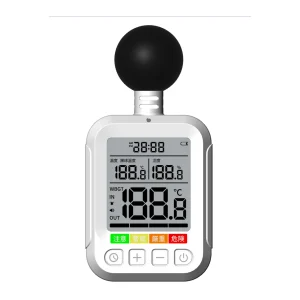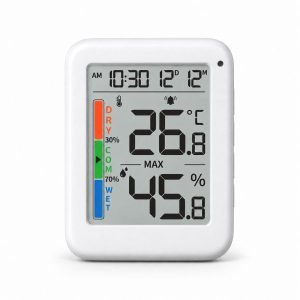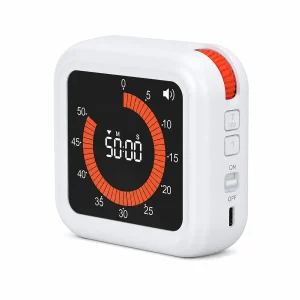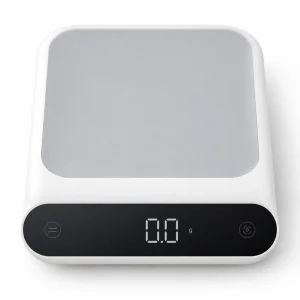
Sourcing Retail-Ready Custom Packaging: What to Ask Your Electronic Promotional Gifts Manufacturer
Why Packaging Tolerance Vetting Belongs in Your Pre-Production Blueprint
Container load of custom acoustic timers arriving at a Rotterdam warehouse with collapsed carton corners and cracked LCDs is not a cosmetic shipping mishap. It is a structural engineering failure. Buyers sourcing custom promotional electronics often treat the carton as a simple printing job, picking an off-the-shelf paperboard box template and assuming it will hold up. It does not. When you pack a 300-gram clock inside a flimsy 150-gram box designed for cheap plastic items, transit vibration and pallet compression on a 40-day ocean voyage will quickly force the product’s delicate screens to absorb the full crushing weight of the stack.
This structural mismatch happens because packaging is treated as a late-stage graphic design task rather than a physical part of the hardware design. If you delay packaging validation until the PCBA tooling and plastic injection molds are locked, you have zero physical margin left to adjust the product’s outer housing. To fix a structural weakness at that point, you either have to pay for a costly mold modification or switch to heavy, expensive internal foam that eats your margin. An experienced electronic promotional gifts manufacturer understands that the housing design, the internal protective tray, and the outer box dieline must be engineered as a single unit from day one.
At YGHao, we have spent 27 years running an integrated plant in Shenzhen where our tooling engineers work alongside our packaging team. We have seen what happens when electronic housing tolerances do not align with outer carton specs, which is why we run structural packaging validation in parallel with initial PCBA prototyping. Before you sign any supplier’s initial purchase order, skip the empty cosmetic mockups. Ask the supplier for a physical drop-test report using the actual weight of the electronic unit inside the proposed carton. If they cannot provide that math before production starts, they are inviting a container-wide chargeback at your destination dock.
Material Specs: Balancing Outer Box Cosmetics with Protective Inserts
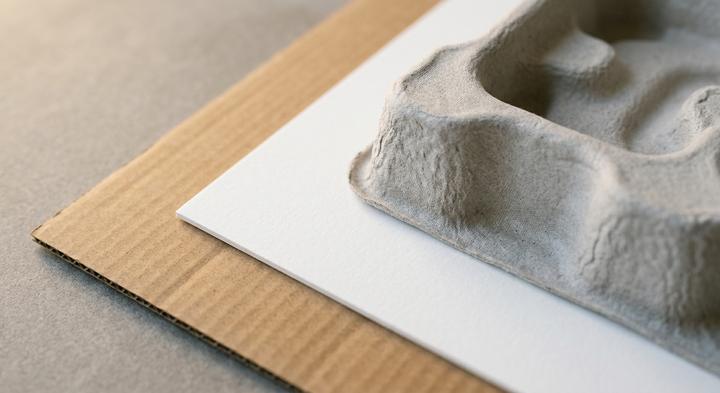
Selecting the right material combination is critical to ensuring your promotional gifts survive shipping stress.
How do you specify retail-ready electronics packaging that won’t crush during sea freight?
When sourcing from an electronic promotional gifts manufacturer, buyers often prioritize glossy finishes and foil stamping over structural physics. At YGHao, we look at the core Material Specs first, Balancing Outer Box Cosmetics with physical engineering so your shipment survives transit intact. The design phase must address where these surface treatments meet structural joints, ensuring that adhesives actually hold when subjected to high-temperature cargo bays.
| Outer Box Board Type | Structural Fitment Material | Best Electronic Category Fit | Maritime Transit Vulnerability | Vetting Benchmark |
|---|---|---|---|---|
| 350gsm White Cardstock | Molded PE Blister / PET Trays | Lightweight promotional clocks, USB hubs, and compact smart timers | High (susceptible to side-wall compression and vertical crushing) | 10-cycle Drop Test from 76cm with zero structural carton deformation |
| Double-Wall Corrugated | Molded Recycled Pulp Trays | Heavy desktop gift sets, charging docks, and multi-component kits | Medium (absorption of ambient container humidity over 30 days reduces strength by up to 40%) | Edge Crush Test ≥ 42 lbs/in; burst strength testing matching ISO 2759 standards |
| 1200gsm Rigid Gray Board | Custom-Cut High-Density EVA / PE Foam | Premium digital displays, high-end Bluetooth speaker sets, and acoustic timers | Low (excellent structural rigidity, though outer wrapping papers can lift if glue is wrong) | ASTM D5276 corner drop deflection analysis; glue-lap peel strength validation |
Protective Inserts How Fitments and Glue-Tabs Prevent Crushing
Evaluating Protective Inserts How they secure sensitive electronics is just as critical as selecting the outer board. For instance, a molded PE blister insert must be engineered to prevent power buttons from being depressed during maritime vibration, avoiding dead batteries upon retail arrival. However, these custom inserts only perform if the outer box remains structurally sealed. When applying heavy UV varnishes or laminations, the folder-gluer dielines must feature a clean 15mm unprinted, unvarnished knock-out window. Without this clear spot, cold glue or hot-melt adhesives cannot penetrate the paper fibers, resulting in corner board failures when exposed to ocean transit.
Never accept a cosmetic sample as proof of production viability; always demand a certified drop-test report with the exact internal fitment density before signing off the packaging tooling.
Packaging Architecture: Designing for Post-Factory Logistics Channels

Packaging architecture must be customized based on whether your goods go through retail channels, postal mail, or bulk distribution.
A shipping dock foreman at our Shenzhen assembly plant rejecting a pallet of custom desktop timers because the outer corrugated board feels soggy under the morning humidity is where packaging theory meets real-world supply chain stress. This is not just about protecting cosmetic plastic housings; it is about engineering the physical shipper to survive distinct Factory Logistics Channels. When buying from an electronic promotional gifts manufacturer, the downstream distribution path must dictate the structural layout of your Packaging Architecture from day one.
Postal Mailers When You Need Flat-Pack Tuck Boxes
When a bulk order is destined for direct-mail drops, shipping pre-assembled rigid boxes is a fast way to burn budget on empty air. Instead, we use flat-packed 350gsm SBS (solid bleached sulfate) cardstock to Pack Tuck Boxes, dropping incoming ocean freight volume by up to 70%. But flat-packing relocates the entire shock-absorption burden to the internal tray. Under the high-speed sorting rollers of regional postal hubs, a soft tray allows the enclosed PCBA to flex under external compression, causing micro-fractures in the solder joints. For Postal Mailers When transit risks are high, we design thermoformed PET inserts that snap-fit onto the electronic housing, isolating delicate components from conveyor-belt impacts.
Retail Pegboard and Gift Counter Specs For Storefronts
For goods destined for brick-and-mortar shelves, structural physics must account for gravity and shelf-wear. Items hanging on a Retail Pegboard require a Euro-slot punch balanced precisely against the unit’s center of gravity, otherwise the package hangs skewed or tears free. Gift Counter Specs For high-end promotional giveaways demand thick cardboard headers and reinforced eyelets to survive repeated customer handling. Additionally, we isolate the UPC barcodes on unvarnished matte-white zones; applying high-gloss UV coatings across the entire card causes scanner-beam reflection at checkout, forcing retail clerks to manually type codes and slowing down the register.
Bulk Industrial Distribution Pack for Field Deployments
When custom environmental monitors or heavy multi-port charging bases are shipped as industrial site kits, cosmetic considerations disappear in favor of drop-and-moisture barriers. A Bulk Industrial Distribution Pack relies on double-wall BC-flute corrugated master cartons reinforced with heavy-duty molded corner protectors to absorb forklift impacts during LTL transit. Internally, the units must be sealed inside heat-shrunk, heavy-gauge polybags loaded with silica gel desiccant packs to prevent moisture ingress during humid ocean crossings. Skipping these barriers means risking micro-corrosion on USB contacts before the package is ever unboxed by the end user.
Never approve a packaging layout until you have verified the structural board grade against the heaviest anticipated transit weight of your shipping channel.
Real-World Sourcing Hurdles: Reading Between the Lines of Factory Promises
Bulk packaging failures are rarely caused by shipping accidents; they are built directly into the contract when a buyer accepts verbal reassurance over physical verification. To navigate World Sourcing Hurdles, procurement teams must master Reading Between the lines of supplier pitches. This means rejecting standard Factory Promises Packaging defaults and specifying exact performance metrics before the deposit is wired.
“If the digital mockup looks clean, the bulk offset printing and folding will align perfectly.”
Flat digital PDFs completely hide the physical shifting of old offset press plates and worn folding jigs. On a run of custom gift boxes, a minor paper-feed variance of just 0.8mm is enough to slide text off-center or creep a logo across a fold. Look past the PDF render and demand a physical wet proof on the actual production paperboard using bulk inks. This forces the factory to calibrate their die-cut machinery to match your color layout under actual production tolerances before printing.
“Standard cardboard boxes that pass the factory drop test will hold up fine during shipping.”
A sample carton that feels rigid in a dry showroom will lose its structural strength when exposed to 95% humidity inside an equatorial cargo container. Without water-resistant sizing mixed into the pulp, standard kraft paper absorbs moisture like a sponge, dropping its edge crush test (ECT) rating by up to 50% under pallet weight. When contracting an electronic promotional gifts manufacturer, ignore generic “double-wall” promises and specify a certified ECT target that must be maintained under high humidity.
“A generic plastic tray is fine as long as the electronic device fits inside the outer box.”
Off-the-shelf thermoformed plastic trays are a fast track to scratched screens and returned inventory. If the internal plastic cavity is even slightly loose, the electronic device will shift constantly during transit, rubbing its screen raw against the abrasive cardboard. Custom packaging requires high-density EVA foam or custom-tooled PET inserts with active pressure-locking points to absorb heavy shipping vibrations.
“Any standard packaging glue will hold the box seams together permanently.”
Verification Milestones: When and How to Sign Off on Custom Packaging
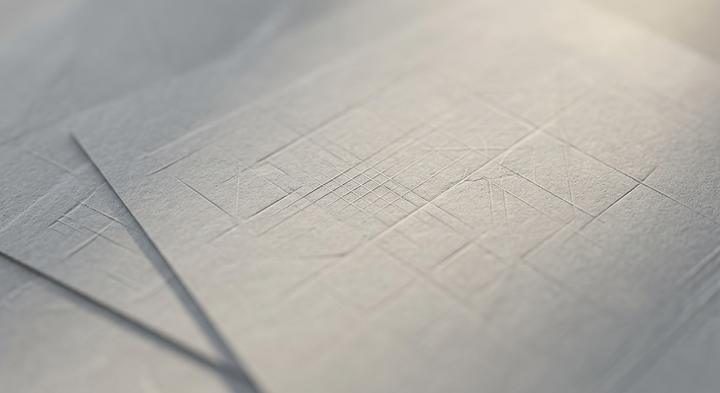
Precision alignment in early vector dielines prevents costly manufacturing delays during the custom packaging workflow.
While solving structural packaging issues on the shipping pallet secures the outer box, those logistics-ready cartons are useless if they do not align with your factory-floor assembly timeline. A 1mm misalignment between the final electronic components and the paperboard cutouts will halt your entire production line, making a systematic verification process critical before you authorize bulk printing.
Custom Packaging Approval Checklist
| Milestone Stage | Required Technical Evidence | Common Red Flag | Responsible Sign-Off Role |
|---|---|---|---|
| Vector Dieline Check | 1:1 scale vector files (.AI, .PDF, or .DXF) with separate layers for crease, cut, and bleed lines. The electronic promotional gifts manufacturer must align tolerance variables against the device’s CAD files. | Artwork applied to a flattened pixel layer; bleed tolerances under 3.0mm; dielines failing to adjust for folding paperboard caliper thickness. | Lead Structural Designer |
| Physical Fit & Drop Test | Fully assembled white sample loaded with a dummy weighted mock-up matching the device’s exact center of gravity. Physical ISTA 1A drop-test certificate showing zero corner collapse. | Internal movement exceeding 2.0mm inside the pulp insert; buckled corner board joints; structural reliance on manual foam strips. | Quality Assurance Manager |
| Regulatory Layout Sync | Printed proofs showing CE, FCC, RoHS, and WEEE marks aligned with active component certificates. Battery warnings must specify exact Wh/mAh ratings. | Mismatched battery capacity ratings; outdated regulatory symbols; FCC/CE logos with incorrect line proportions or missing registration codes. | Lead Compliance Officer |
| Physical Port Alignment | Live fitment test using real pre-production enclosures. Verification that auxiliary ports, switches, and charging contacts align perfectly with cutouts. | Port cutouts off-center by >±0.5mm; compression of cable boots when plugged in; physical buttons accidentally compressed by tray tension. | Hardware Integration Engineer |
Every Milestone Stage needs a clear Responsible Sign on our production side and the corresponding Off Role signature on your procurement side before we lock the tooling. At YGHao, we coordinate these validation gates in tandem with our Shenzhen-based toolmaking and assembly lines, ensuring that your custom packaging dielines match the physical plastic enclosures before the offset printing plates are locked. Managing these Verification Milestones sequentially prevents high-volume scrap and keeps your delivery timelines secure. Rather than waiting for a completed production run to find out that a USB-C port is blocked or a certification mark is outdated, B2B procurement teams can initiate their Custom Packaging Now with our team to obtain verified structural packaging samples and Sign Off with confidence.
From Dielines to Container Loading: The Custom Packaging Workflow with YGHao
Aligning cold-glue adhesive windows and paperboard density doesn’t mean much if the packaging is designed in a vacuum while the electronics are built three provinces away. When you are sourcing custom kitchen timers, alarm clocks, or acoustic promotional gifts, a 1mm deviation in a plastic casing or an unexpected SMT component height can turn a perfect dieline into a box that bulges and splits. By keeping structural packaging, plastic injection molding, SMT, and physical validation labs under one roof in our Shenzhen facility, YGHao bypasses the multi-vendor blame game. We operate under ISO 9001 and BSCI standards to ensure that the packaging design team works directly alongside the electronics assembly engineers. This means we verify physical clearance with real production-grade plastic housings long before the final paperboard batch is run. It is the only reliable way to prevent structural micro-shifts that compromise carton integrity when pallets are stacked deep under pressure.
This localized loop makes the transition from dielines to container loading predictable rather than stressful. Instead of relying on raw PDF layouts, we cut physical, unprinted structural white samples within 3 to 5 days to confirm physical fitment, and complete full-color offset wet proofs within 7 to 14 days to lock down varnish options and adhesive hold. Doing this in parallel with PCBA prototyping means that when the electronics are ready for assembly, the validated retail boxes are already waiting at the end of the line—preventing the standard shipping bottlenecks that push delivery dates back. To bypass the usual pre-production guesswork on your next project, you can request custom structural CAD dielines matched to your product’s footprint directly from our engineering department, or download the updated 2026 YGHao product catalog to review our standard packaging configurations.