Industrial Humidification Control: Comparing Analog Dial and Digital MEMS Thermo-hygrometer Arrays
Why a Warehouse Thermo-Hygrometer Setup Can Quietly Ruin Your Next Inventory Audit
A standard Warehouse Thermo-Hygrometer Setup Can Quietly drift out of spec long before anyone notices. In deep-rack storage zones, a localized calibration drift of 4% to 6% relative humidity easily slips past standard HVAC automated controls. Those systems usually monitor ambient air near high-volume return ducts rather than stagnant corner pockets. When an auditor places a recently calibrated reference probe directly into those deep racks, it exposes those hidden microclimates. If an auditor catches this discrepancy during an Audit Two walkthrough, it can Ruin Your Next Inventory audit, trigger immediate compliance holds, and void product shelf-life warranties.
Fixing this risk means weighing upfront capital expenditure against permanent operational overhead. Transitioning to a digital sensor array eliminates manual paperwork, but it demands a real budget for copper cabling, power-over-Ethernet (PoE) drops, and software licensing. Sticking with analog dial instruments avoids those initial capital outlays but creates a permanent payroll drag. Having a technician walk the aisles three times a day with a clipboard to log manual readings might look cheap on a weekly spreadsheet, but it represents hundreds of hours of manual labor per year—hours that are highly vulnerable to human error or pencil-whipped logs when shifts get busy.
As a factory-direct manufacturer, YGhao builds both physical mechanical dial systems and digital MEMS setups. This dual capability allows us to offer an unbiased perspective on these operational trade-offs rather than pushing a one-size-fits-all digital upgrade. If you run a dry-bulk storage facility with low regulatory overhead, heavy-duty analog dials are a robust, low-maintenance option. However, if you are storing high-value electronics or sensitive pharmaceuticals where multi-point daily logging is non-negotiable, the payroll cost of manual clipboard tracking will quietly surpass the installation costs of a digital sensor network within eighteen months.
Analog Dial vs. Digital MEMS: The Critical Trade-offs in Sensor Engineering
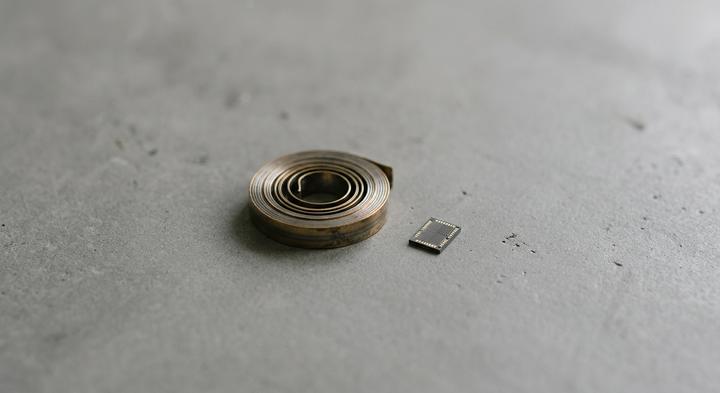
Choosing between mechanical durability and digital MEMS integration requires matching the sensor build to your environment.
Should I buy analog dial or digital MEMS thermo-hygrometers for bulk warehouse monitoring?
The short answer is: it depends on whether your facilities team is willing to trade cheap upfront hardware costs for a compounding manual maintenance bill. Deciding on sensor hardware comes down to a choice between physical mechanical durability and high-precision digital integration. The Critical Trade-offs are not just about initial pricing; they are about how different environments interact with the physical sensor elements over time. What Sensor Engineering Should address first is the realities of physical degradation versus the ongoing cost of manual calibration. This is The Critical Trade between raw mechanical survival in dusty air and automated, high-precision compliance networks.
| Buyer Type | Key Decision Factors | Sensor Fit | Primary Risks | Purchasing Verdict |
|---|---|---|---|---|
| Bulk Industrial & Dusty Storage (e.g., cement bagging, agricultural silos, mills) | Low unit cost, zero power infrastructure, heavy airborne particulate load, manual logging acceptable. | Analog Dial (Bimetallic expansion coil; accuracy: ±5% RH; manual calibration via dial-screw; cost: $15–$35). | Mechanical metal fatigue leading to silent, out-of-spec drift; zero digital integration; high labor costs for clipboard audits. | Choose analog dials when you only need a visual check on the wall and high dust levels would ruin silicon sensors. |
| Controlled Logistics & cold storage (e.g., pharmaceutical depots, microelectronics) | Continuous real-time data tracking, automated threshold alarms, FDA/GMP regulatory audits, tight humidity bands. | Capacitive silicon MEMS chip (Digital sensor; accuracy: ±2% RH; factory recalibration; cost: $80–$150). | Sensor element poisoning from chemical outgassing; membrane clogging if unprotected; higher initial installation and networking costs. | Deploy digital MEMS transmitters connected via RS485 Modbus to automate your audit logs and remove manual reading errors. |
Balancing Lifespan and Labor
Buying a $15 sensor sounds smart on a procurement spreadsheet until you calculate the recurring payroll hours spent manual-logging the readings. For high-volume facilities under FDA oversight, manual clipboard walks are a major compliance risk, making the $80 to $150 digital MEMS hardware the actual low-cost path over a standard three-year cycle. But in heavy industrial setups with high dust loads, expensive digital sensors fail repeatedly unless protected by specialized sintered steel caps. In those gritty zones, a simple analog dial bimetallic coil remains the most practical tool for the job. At YGhao, we supply both solutions to balance these trade-offs, but we always advise checking your environment’s particulate density before placing a bulk order.
Where Digital Arrays Excel and Where Mechanical Dials Avoid Costly Downtime
The Monday morning HVAC alarm at a 20,000-square-foot facility often goes off not because the cooling compressor has failed, but because a single digital sensor’s filter has quietly choked on airborne dust. Different zones inside a single warehouse present radically different physical challenges, which is why a one-size-fits-all hardware spec rarely works out in the real world.
Regulated Pharmaceutical Cold Chain
A cold-room compressor seal that slowly degrades over a weekend can quietly write off a $100,000 batch of active ingredients before the Monday morning shift even logs in. For operations running under strict GxP rules, relying on manual clipboard checks every four hours is a regulatory gamble you will eventually lose. This is Where Digital Arrays Excel, providing real-time ambient monitoring and automated data logs that feed directly into a centralized building management system. Beyond catching a sudden thermal runaway, these digital setups generate the tamper-proof electronic records required to clear an FDA audit under FDA 21 CFR Part 11. It’s a high upfront hardware cost, but it pays for itself the first time it flags a dead cooling loop at 2:00 AM on a Sunday.
Dust Bulk Agricultural Terminals

Heavy particulate environments demand robust physical sensors that can withstand airborne dust without clogging.
Step inside a grain terminal or wood-pellet mill during a late-summer processing run, and you will find every exposed surface coated in fine organic dust within twenty minutes. Delicate digital MEMS sensors, even those with specialized sintered steel caps, struggle in these environments because the microscopic air pathways clog and choke the sensor cavity, leading to false humidity readings or flat-out electrical failures. This is Where Mechanical Dials Avoid the maintenance headaches of digital gear, relying on physical bimetallic coils that function regardless of the particulate load. They require no routine filter swaps, no battery changes, and can be hosed down or brushed clean without destroying the calibration. For rough, non-regulated areas, these heavy dials do the job for a fraction of the cost.
Scale Consumer Goods Distribution Hubs For Global Retail
Blanketing a 150,000-square-foot logistics center entirely with networked wireless digital sensors is a common over-engineering trap that kills a procurement budget. The smart play is a hybrid deployment: high-precision digital nodes go exactly where the critical microclimates are—right at the primary HVAC return ducts and high-traffic loading docks—while cheap, physical analog dials hang on the outer structural columns for rapid visual checks during manual floor walks. This limits your expensive digital footprint to fifteen or twenty critical points without leaving the rest of your square footage in a blind spot. Sourcing both direct from a single manufacturer like YGhao simplifies the purchase order, but the operating rule of thumb remains: spend your digital budget where the regulator looks or the air actively moves, and let mechanical dials cover the blind spots.
Common Sourcing Misconceptions That Inflate Your Real Instrument Budget
Chasing cheap unit prices on warehouse sensors always leads to aggressive budget chasing once real operating costs kick in. When teams treat a bulk thermo-hygrometer order as a generic commodity buy, they optimize for the lowest upfront quote. This initial saving evaporates within the first year through uncalibrated drift, audit failures, and wasted technical payroll.
Digital thermo-hygrometers are set-and-forget tools that keep their factory accuracy indefinitely.
In reality, silicon MEMS and polymer sensors are vulnerable to the warehouse environment. Industrial factors—like outgassing cardboard, adhesive vapors, and forklift exhaust—gradually coat the active membrane. This chemical buildup causes a silent drift of 5% to 8% in relative humidity readings within twelve months. Because the sensor doesn’t break, it never triggers an error; it simply feeds incorrect data to your climate controls, forcing HVAC systems to overwork while inventory sits in a creeping micro-climate.
Automated digital sensor arrays make manual, mechanical dials completely obsolete.
A digital network is always one power surge or gateway crash away from total blindness. If the gateway fails, your monitoring dashboard flatlines, leaving your floor team unaware of localized temperature spikes. Keeping mechanical dial thermo-hygrometers at key cross-aisles is not an old-fashioned choice; it is a zero-power visual fail-safe. When the digital grid drops, an operator walking the floor can verify storage safety at a glance, protecting high-value goods before IT even recovers the network.
Buying uncertified instruments in bulk and calibrating them on-site with a handheld reference saves procurement budget.
This looks like a smart shortcut on a spreadsheet until you calculate the technical hours required to calibrate several hundred units by hand. Having an engineer manually test individual devices on a dusty floor takes days of labor, lacks precision, and generates zero certified paperwork for compliance auditors. Buying pre-calibrated batches directly from a factory that runs automated environmental chamber testing on the line saves hundreds of hours and secures your audit trail. Are you auditing your supplier’s calibration process, or are your engineers going to pay for it in manual labor later?
Vetting the Factory: How to Verify Real Calibration Standards Before Ordering
How do I verify if a thermo-hygrometer manufacturer actually calibrates their sensors?
Most overseas suppliers check the box for “factory calibrated” on their digital listings. In reality, low-tier trading companies and basic assembly shops simply flash generic calibration curves onto the microcontrollers during PCB assembly without ever putting the finished hardware through controlled environment testing. Before Ordering How you check these calibration claims is what stands between accurate warehouse logs and expensive inventory write-offs. At YGhao, we run dedicated, multi-point environmental chambers to calibrate our digital MEMS and analog dial units side-by-side. To help your team Verify Real Calibration Standards, this checklist is designed to bypass superficial paper declarations and verify physical testing setups.
Without verifying these parameters, a buyer risks deploying thousands of drifted units that lead to failed regulatory audits. A collaborative inspection between your QA team and the supplier is the only way to catch mismatched tolerances before shipping.
Shipment Audit Matrix
| Ask | Expected Evidence | Red Flag | Responsible Party |
|---|---|---|---|
| Environmental Chamber Capacity | Unedited video walkthrough or timestamped photos of active environmental test chambers running with active reference meters. | Supplier claims calibration is done at “standard room temperature” or cannot show functional chambers with digital control interfaces. | Quality Assurance |
| Standards Audit | Active ISO 9001 and CE / RoHS certificates with matching factory names, plus active NIST-traceable certificates for the reference meters. | Photocopy shadows, mismatched corporate names, or reference master calibration certificates that expired more than 12 months ago. | Procurement Manager |
| Batch-Specific Test Reports | A multi-point test report generated from the specific production batch, detailing the variance (e.g., 3% RH) at 20%, 50%, and 80% humidity thresholds. | Identical measurement values, decimal points, and ambient variables printed across entirely different serial numbers on the test sheet. | Quality Assurance |
| Pre-Shipment Sample Test | Third-party lab testing of three random pre-production samples to verify that the integrated sensor matches the promised tolerance curve. | The factory refuses pre-shipment sample testing or demands a 100% tooling payoff before showing any physical verification data. | Quality Engineering |
Vetting a factory this way takes an extra week of emails, but it is the only way to avoid buying thousands of blind sensors. If a supplier delays showing you their testing floor or sends a generic template with copied-and-pasted digits, they are running a basic assembly line, not a calibrated facility. Walk away before your inventory audit catches the difference.
Sourcing Strategy: Organizing Your Bulk Thermo-Hygrometer Order
Now that the physical trade-offs between dust-vulnerable digital arrays and low-maintenance mechanical dials are on the table, the job shifts to mapping these instruments to your actual floor plan. Large-scale warehousing rarely calls for a single, uniform instrument across the entire footprint; a smart layout is almost always a hybrid deployment. In high-exposure loading docks, washdown bays, or deep-rack cold storage zones, digital MEMS sensors must be armored with IP-rated housings—like sintered stainless steel filters or ruggedized ABS shells—to survive humidity spikes and airborne particulates. Conversely, standard dry-stack aisles don’t need expensive, power-hungry digital nodes. Hanging direct-reading bimetallic mechanical dials in those zones eliminates the endless battery-replacement cycles and wireless dropouts that quietly inflate maintenance budgets. At YGhao, we manufacture both hardware options in-house, letting B2B buyers mix analog and digital units under a single procurement contract.
This factory-direct approach means we can customize dial face scales to show your specific regulatory green zones, print private-label branding, or modify bracket mounts to clip directly onto heavy-duty warehouse racking systems. Our typical lead times for custom runs average 25 to 30 days once engineering proofs are signed off. To avoid over-specifying or over-spending on your next facility upgrade, you can download our complete technical specification catalog, or use our direct Hygrometer Order Now consultation portal to have our engineering team review your facility’s layout map and recommend the optimal hardware mix.