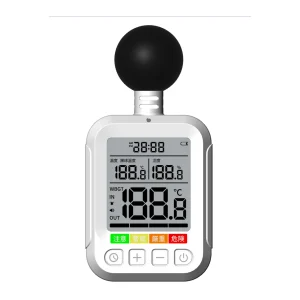
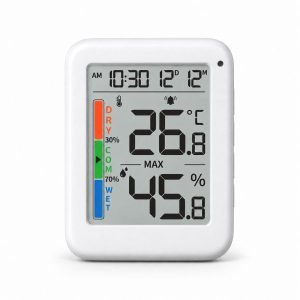
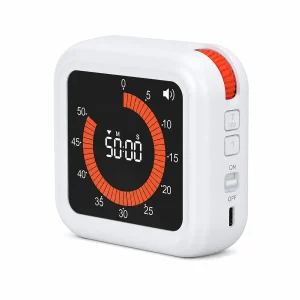
Why Small-Batch Gifting Demands More Than Just a Logo
Most procurement teams treat corporate gifting like a simple print job: pick a clock, add a logo, and ship it. That mindset is exactly why high-end brands end up with hardware that feels cheap, featuring visible injection-molding seams or displays that flicker after a month on a desk. A custom digital clock isn’t just a branding surface; it is a piece of hardware that has to survive shipping, power fluctuations, and daily office use. If you have ever opened a box of ‘custom’ clocks only to find uneven LED brightness across the digits, you know the logo is the least of your quality concerns.
Small-batch runs are where most suppliers cut corners, assuming the buyer won’t notice the difference between a standard, low-cost PCB and an enterprise-grade component. At YGhao, we approach these smaller runs with the same technical validation as our industrial-scale orders because the brand reputation on the clock face is only as good as the electronics behind it. We focus on the hardware integrity—the fit of the housing, the uniformity of the LED diffusion, and the stability of the internal power regulation—to ensure the unit functions as a reliable tool rather than desk clutter.
When you move beyond off-the-shelf catalog items, the real challenge is verifying the supplier’s ability to manage custom OEM/ODM modifications without sacrificing the unit’s operational lifespan. If a supplier cannot explain how they manage display uniformity or housing tolerances on a 500-unit run, they are likely just printing on stock inventory rather than engineering a gift. Always ask for the technical spec sheet before you commit to the print run.
Comparing Customization Paths: From Pad Printing to Custom Tooling
How do you decide between a simple logo print and a full custom housing for a digital clock order? Most buyers start by looking at the unit price, but the real decision driver is the amortization of tooling costs against your total volume. If you are ordering 500 units, you are almost always better off with pad printing on a high-quality stock housing. Once you cross the 3,000 units threshold, the conversation shifts to whether the hardware itself needs to be a unique brand asset.
| Customization Level | Typical MOQ | Tooling Investment | Lead Time | Primary Risk | Best Use Case |
|---|---|---|---|---|---|
| Pad Printing | 500 units | Minimal | 2–3 weeks | Logo misalignment | Standard gifting |
| Custom Housing | 3,000 units | High | 8–12 weeks | Design iteration delays | Premium branding |
| PCB Modification | 5,000 units | Moderate | 10–14 weeks | Firmware stability | Functional OEM |
For runs under 1,000 units, avoid custom tooling. The upfront cost will inflate your per-unit price to a point that rarely makes sense for a gift. Instead, ask the supplier for a sample of their premium-finish stock housing. Check the logo adhesion and color accuracy under standard office lighting; these are the first things to fail on a cheap run. If the supplier can’t show you a consistent batch, the print quality will be the first thing your recipients notice.
If you do move to custom housing, remember that the 12 weeks of lead time is a best-case scenario. It assumes your artwork is locked on day one and the mold-flow analysis doesn’t reveal a structural issue. If you are planning a 5,000 units launch, verify that the supplier’s QC process includes a brightness consistency check for every unit. A custom-molded clock looks expensive until the display flickers or the intensity varies across the desk. The best rule of thumb: if you aren’t planning to repeat the order, stick to the highest-quality stock housing you can find and invest your budget in the finish, not the mold.
Common Procurement Traps in Small-Batch Production
Most buyers treat a custom digital clock order like a standard catalog purchase, but the real risk isn’t the unit price—it’s the hidden tooling and alignment costs that only surface once the line starts moving. Take the case of a creative studio that ordered 300 units with a high-gloss finish. They didn’t account for the fact that high-gloss surfaces require specific printing jigs to prevent logo smearing during curing. Because they treated the project as a simple print job rather than a manufacturing process, the entire batch arrived with inconsistent branding. When you modify the surface or housing, you aren’t just buying a product; you are responsible for the tooling interface.
Then there is the ‘minor’ design tweak trap. A procurement lead recently ordered 500 units and decided to adjust the display brightness after the initial sample was approved. Because the housing mold was already set, that single change triggered a full tooling reset. The cost of that adjustment added 40% to the total project budget. Design changes are rarely free once the line is live; they force a new round of validation and mold rework that most suppliers won’t mention until the invoice arrives.
Before you sign a PO, ask your supplier to walk you through their artwork review process and confirm if your design requires custom jigs or secondary tooling. If they can’t explain how they handle alignment on your specific material, they are likely treating your project as a stock run. Is your supplier ready to provide a technical review of your project specs before the first PO is signed?
Final Verification: Ensuring Reliability for Your Gifting Program
How do you stop a batch of custom digital clocks from failing once they hit the office desk? The only way to know is to demand a pre-production sample that uses your exact logo application and housing material. Don’t just look at the finish; check the display uniformity and the tactile feel of the buttons. If a supplier tries to push you toward a ‘representative’ sample instead of one that matches your production specs, walk away. That is a sign they aren’t controlling the line as tightly as they claim.
Compliance is the other place where shipments often get stuck. Before you sign a PO, ask for the specific CE, FCC, and RoHS reports for your target market. If they can’t produce these, your shipment is at risk of being held at customs. You also need to pin down the RMA and warranty terms early. A professional supplier will be upfront about a typical defect rate—usually around 0.3%—and will have a clear plan for how they handle those replacements so you aren’t left scrambling.
We handle small-batch orders at YGhao with the same technical scrutiny we apply to our industrial OEM lines. We review your hardware requirements and design files to flag potential issues before the first unit is molded. If you want to review our technical capabilities or see our current hardware options, request a free engineering consultation or download the 2026 product catalog to get your project started.