How PTFE Venting Keeps Pharma Cleanroom Thermo-hygrometer Sensors from Drifting Under Pressure
Why Static IP67 Ratings Fail During Active Cleanroom Sanitization Washdowns

PTFE membrane vents repel liquid water while allowing air to flow and equalize internal pressure.
If you walk a pharmaceutical line at 4:00 AM right after the sanitization crew finishes, you will likely see environmental monitoring boards flashing false alarms. The problem is rarely a dead sensor; it is almost always a thermo-hygrometer displaying a stuck 99% RH reading that refuses to clear. This happens because procurement teams rely on a static IP67 rating—tested in calm, room-temperature laboratory water tanks—as a guarantee of durability during active cleanroom cleanings. In reality, static immersion ratings fail to account for the physical realities of dynamic, cold-water washdowns.
The root issue is a micro-vacuum effect driven by rapid thermal cooling. An industrial thermo-hygrometer housing naturally runs warmer than the surrounding ambient cleanroom because of internal microprocessors and sensor excitation currents. Executing Cleanroom Sanitization Washdowns At cold temperatures causes the warm air volume inside the enclosure to contract instantly. This rapid temperature drop creates a localized negative pressure zone inside the sensor body. While standard elastomeric O-rings and cable glands can block static water ingress, they are not built to resist this sudden internal pressure drop. The resulting suction pulls surrounding humid air and atomized water droplets past the seals and directly into the internal electronics chamber.
Once moisture gets past these physical barriers, it condenses on the delicate capacitive relative humidity sensor element, leading to immediate drift or corrosion. To solve this, YGhao implements custom-designed vented housings featuring a hydrophobic, porous PTFE membrane. This microporous membrane allows air molecules to flow freely to equalize internal and external cleanroom pressures, while the high surface tension of the PTFE polymer blocks liquid-phase water and cleaning agents entirely. For cleanroom instrumentation, the rule of thumb is simple: if the enclosure cannot breathe during a rapid temperature drop, it will eventually suck in water, static IP rating notwithstanding.
Membrane and Housing Specifications: Selecting Pore Size, WEP, and Material Grades
How do you choose between a 0.2 µm and a 0.45 µm vent membrane for a cleanroom thermo-hygrometer?
Selecting Pore Size requires balancing the Water Entry Pressure (WEP) needed to survive direct washdowns against the sensor response times. When comparing Material Grades How raw housing alloys and plastics survive chemical sterilization, 316L stainless steel prevents the micro-cracking common in polycarbonate when exposed to vaporized hydrogen peroxide (VHP).
| Cleanroom Class | Buyer Type | Housing Specifications | Seal Material | Vent Pore Size | Sensor Recovery Time | Key Operational Risks | Engineering Verdict |
|---|---|---|---|---|---|---|---|
| Grade A / B | Pharma OEM | 316L Stainless Steel | FFKM / Fluoropolymer | 0.20 µm PTFE | 45 minutes | Slower gas diffusion delays HVAC response during rapid humidity shifts. | Specify for Direct Jet Washdowns: Survives high-pressure sanitization and regular VHP exposure. |
| Grade C / D | Lab Procurement | 316L Stainless Steel | FKM (Viton) | 0.45 µm PTFE | 15 minutes | Low WEP allows liquid water entry if sprayed directly during sanitization. | Best for High-Dynamic Environments: Fast vapor transmission rate, but needs mechanical spray shielding. |
| ISO 8 Prep Areas | Industrial Use | Polycarbonate | EPDM | No Vent (Solid Enclosure) | 12 hours | VHP causes micro-fractures; cooling vacuum draws moisture past unvented seals. | Avoid for Wet Sanitization: Only appropriate for dry, non-washdown zones with zero chemical exposure. |
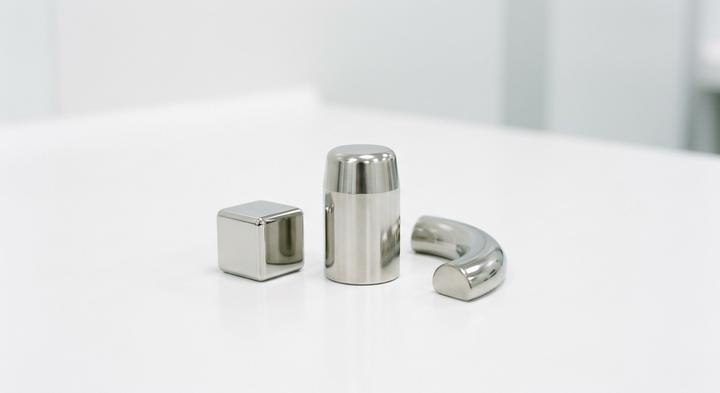
Rugged 316L stainless steel construction resists dynamic chemical washdowns and thermal cycling.
Selection Verdict for Sterile Environments
If your cleanroom relies on active VHP sanitization, saving a few dollars on plastic enclosures is a false economy because chemical micro-cracking will eventually breach the seals and drown the internal electronics. We build YGhao thermo-hygrometer units with heavy-walled 316L stainless steel and custom PTFE vents to bypass this failure mode entirely. When negotiating your next instrumentation order, use this simple rule of thumb: specify a 0.2 µm membrane if washdowns exceed 0.5 bar, and accept the slightly longer recovery time in exchange for a sensor that does not drift after every wash cycle.
The Inspection Checklist: How QA, Maintenance, and Procurement Verify Vented Sensors
A validation engineer shifts their flashlight beam across a newly mounted cleanroom wall bracket at 5:00 AM, only to find the sensor face pointing straight into a high-pressure chemical washdown line. This physical conflict between tight spaces and wet sanitization protocols is where facility upgrades routinely stall. Overcoming these mechanical hurdles before the purchase order is signed requires separating the distinct checks for QA compliance, maintenance durability, and purchasing logistics.
The Fast Validation Squeeze In High-Volume Lines
When a facility faces a sudden Validation Squeeze In a high-volume manufacturing environment, auditing FDA 21 CFR Part 11 compliance and NIST-traceable calibration histories shouldn’t become a paperwork bottleneck. Standard factory-calibration reports from YGhao simplify installation qualification (IQ) and operational qualification (OQ) stages by providing direct, digital-ready accuracy records for every serial number, stripping hours of manual logging out of the audit. Rather than verifying dozens of certificates line-by-line during a high-stakes commission, the QA team can instantly upload pre-validated datasets. The Fast path to compliance relies on having these serial-specific calibration curves ready for inspectors before the physical hardware even arrives.
The Washdown Challenge in High-Velocity Zones
Conducting an Intensive Retrofit On an active sterile fill-finish floor forces maintenance teams to focus on physical survivability. Technicians running The Washdown checks must analyze wall-mounting hardware and physical clearance to avoid washdown nozzle damage from hand-held jets or automated spray arms. Standard brackets often leave the breathable PTFE vent exposed to high-velocity water, which can force moisture through the seal during rapid temperature drops. Choosing low-profile, angled stainless steel brackets shields the sensor’s breathable core without blocking air circulation. For maintenance teams, the golden rule of survivability is simple: if a nozzle can hit a sensor head directly, it eventually will.
Spec Isolation Barrier Procurement Under Tight Deadlines
Sourcing for custom restricted access barrier systems (RABS) or isolators is where standard catalog orders fail. Spec Isolation Barrier Procurement means balancing unit pricing, lead times, custom probe options, and replacement parts availability under a compressed construction timeline. The Custom options needed—like extended probe lengths or unique mounting flanges—often carry 10-week lead times from legacy suppliers, stalling the entire qualification timeline. Partnering with a manufacturer like YGhao that provides agile, direct OEM/ODM customization keeps the project on track and lets Procurement Verify Vented Sensors without being forced into high minimum order quantities. On a custom build, the rule of thumb is to separate the sensor element from the transmitter housing: buy custom remote probes for the tight spaces, and keep the main electronics in a standard, easily accessible service enclosure.
Common Procurement Traps: Misinterpreting IP Ratings and Ignoring Cable Gland Seals
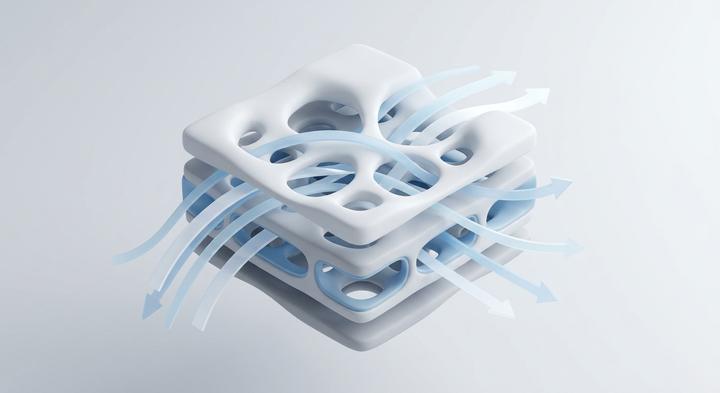
Mechanically secured vents maintain dynamic seals where adhesive alternatives fail.
A static IP67 certificate on a thermo-hygrometer datasheet rarely guarantees it survives a single week of active cleanroom sanitization. Buyers pay a premium for certified enclosures, only to watch internal boards corrode or drift during the very first production run. This gap between laboratory testing and cleanroom floor reality exists because standard ingress certifications evaluate static water pressure, not the thermal shock and kinetic forces of real sanitization protocols.
The static IP67 rating ensures the sensor can handle high-pressure washdowns.
In reality, the standard IP67 test only proves a brand-new, room-temperature instrument can sit in one meter of still water for thirty minutes. It says nothing about what happens when an operator targets the casing with a warm water sprayer. When cold water hits an operating, warm thermo-hygrometer housing, the internal air instantly contracts, creating a pressure vacuum that pulls moisture straight past the sealing gasket. For sanitization lines, procurement teams must look past static ratings and specify dynamic IP69K-certified enclosures that can withstand targeted high-pressure spray, paired with breathable membranes that equalize pressure.
Cable glands are universal accessories that maintain a permanent seal.
The cord grip is where most cleanroom sensors fail because thermal cycling constantly works against the elastomer seal. As the line transitions between hot sanitizing water and cold rinse cycles, the cable jacket and the gland’s internal grommet expand and contract at different rates. Cheap nylon glands with neoprene grommets quickly lose their elasticity, creating a microscopic gap that sucks in vaporized cleaning agents. To protect sensitive thermo-hygrometer electronics, specify double-sealed, nickel-plated brass or 316L stainless steel glands with fluoropolymer or high-grade EPDM seals that can absorb hundreds of thermal expansion cycles without cracking.
Adhesive-backed venting membranes are perfectly acceptable for vaporized hydrogen peroxide (VHP) environments.
An adhesive backing is easy to apply during manufacturing, but it is the first thing to fail when exposed to continuous VHP cycles and alkaline cleaning agents. The aggressive chemical vapors degrade the acrylic adhesive layer, causing the vent membrane to slowly curl up and peel away at the edges. Once the seal breaks, moisture enters the housing during the next washdown. Instead of adhesive-backed options, ensure the thermo-hygrometer utilizes a mechanically secured or ultra-sonically welded PTFE vent membrane. It is a minor design detail that prevents a major recalibration or replacement cost down the line.
Supplier Auditing: Vetting Thermo-hygrometer Production for GMP Compliance
While selecting the right 316L housing and PTFE pore size solves the design-level vulnerability, true Supplier Auditing for Vetting Thermo-hygrometer lines requires looking past glossy brochures to see how the factory floor actually operates. With GMP Compliance Moving from a paperwork exercise to active field validation, auditing a supplier’s calibration and assembly process is the only way to avoid buying batch-wide drift.
Hardware Auditing Matrix
| Ask | Expected evidence | Red flag | Responsible party |
|---|---|---|---|
| How is the PTFE vent membrane attached to the sensor housing? | Engineering drawings of mechanical retaining rings or automatic heat-welding logs fusing PTFE directly to 316L stainless steel. | Pressure-sensitive acrylic adhesive backing. VHP exposure eventually dissolves the adhesive, causing the membrane to slide off. | Lead Hardware Engineer |
| Can you document the NIST or ISO/IEC 17025 traceability of your reference standard probes? | Active certificates from an accredited national body (like NIST) matching the exact serial numbers of the chambers on the production line. | Using uncalibrated handheld meters for sweeps, or reference certificates expired by more than 12 months. | Quality Assurance Manager |
| What environmental stress testing is performed on 100% of the finished production batch? | Individual unit logs showing automated pressure vacuum decay tests and a chamber sweep covering 10% to 95% RH. | Accepting Acceptable Quality Limit (AQL) 1.0 or 1.5 random sampling for ingress instead of 100% pressurized testing on all enclosures. | Procurement Specialist |
Paperwork reviews are easy to pass, but the real gap between a standard industrial sensor and a GMP-ready instrument shows up on the actual calibration line. To prevent field failures, every YGhao thermo-hygrometer undergoes 100% computerized pressure-chamber leak testing alongside multi-point humidity calibration referenced directly to ISO/IEC 17025 standards. Rather than relying on boilerplate supplier declarations, engineering teams should demand raw physical test reports and calibration logs for their specific batch before signing off on the procurement order.
Sourcing Vented Thermo-hygrometers: Lead Times, Custom Tooling, and RFQ Specifications
Now that the inspection protocols sit in a clean evaluation matrix, the immediate procurement challenge is turning those rules into hard RFQ specifications without blowing out project schedules. When you are Sourcing Vented Thermo-hygrometers, the default assumption is that stainless steel and Modbus RTU integration dictate the critical path, but the real timeline bottleneck is almost always Custom Tooling for non-standard mounting flanges or bespoke probe lengths. If your aseptic zone requires a non-standard 120mm insertion depth instead of our stock 80mm probe, the delay isn’t the cleanroom assembly; it’s the time required to cut, polish, and validate the new extrusion dies. A typical custom runs six weeks for validation, whereas our standard modular designs ship in three to four weeks. If a vendor promises a custom-tooled housing in under twenty days, they are either bypassing necessary post-machining passivation or quoting a standard catalog unit that they plan to force-fit into your wall sleeve. We keep our minimum order quantities (MOQs) at ten units for these semi-custom runs specifically so engineering teams can run an honest pilot phase without committing to hundreds of unverified nodes.
Solving long-term cleanroom sensor drift is never a matter of engineering a perfect, hermetic static seal that will eventually fail under dynamic pressure drops; it is about letting the transmitter breathe naturally through a validated PTFE membrane. To secure your facility’s environmental integrity and get your technical Specifications Now, procurement must align early with engineering on the exact mechanical interface. We maintain full CAD schematics and dimensional tolerances in our Cleanroom Sensor Engineering Manual to help your design team verify clearance before we cut any metal. Rather than hoping your custom dimensions work on paper, you can download the Cleanroom Sensor Engineering Manual for immediate review, or contact our technical sales desk directly to request a 10-unit pilot batch with custom-configured sensor probes to run a live washdown stress test on your actual sanitization line.